Best Cloudability Alternatives for Multi-Cloud & Kubernetes FinOps in 2026
Compare top Cloudability alternatives. Discover why transparent flat pricing, 6-hour refresh, K8s & AI coverage, and hands-on engineers beat legacy FinOps.

- Canonical cost normalization across AWS, Azure, GCP, Kubernetes, and LLM APIs into FOCUS 1.0 schema.
- Real-time COGS and gross margin attribution mapped directly to engineering teams and customer tenants.
- Flat monthly pricing with engineer-executed savings automation, avoiding vendor lock-in or savings tax penalties.
Engineering and financial leaders migrating away from IBM Apptio Cloudability require a modern FinOps platform that eliminates six-figure annual contract lock-ins, 24-to-48-hour data latency, and passive recommendation backlogs. Modern alternatives prioritize transparent flat-rate pricing, 6-hour cross-cloud sync across 13 native connectors (AWS, Azure, GCP, OCI, Alibaba, Kubernetes, Datadog, Snowflake, and AI providers), and hands-on engineer execution to deliver immediate ROI.
The Architectural and Commercial Limitations of Legacy Cloudability
Apptio Cloudability (acquired by IBM) was engineered over a decade ago for traditional enterprise IT procurement. While it established early standards for multi-cloud reporting, modern engineering organizations face severe operational friction when relying on legacy FinOps suites:
- Opaque Sales-Gated Contracts & Spend-Based Tax: Legacy vendors lock enterprises into rigid, multi-year contracts calculated as a percentage of overall cloud spend (often 1% to 3%). As cloud compute expands or AI model consumption scales, companies are financially penalized simply for growing.
- Severe Ingestion Latency (24 to 48 Hours): Cloudability operates on delayed batch processing. By the time a billing anomaly or misconfigured Kubernetes deployment triggers an alert, 48 hours of runaway infrastructure spend have elapsed.
- Blind Spots in Modern AI, Data, and SaaS Infrastructure: Cloudability was not built for token-based AI workloads (OpenAI, Anthropic), warehouse credit burn (Snowflake), or native Kubernetes pod-level carbon and cost metrics. Trying to reconcile AI inference costs alongside cloud provider billing requires complex custom manual feeds.
- The "Passive Dashboard" Backlog Trap: Cloudability generates hundreds of static recommendations that sit idle in engineering Jira backlogs. Without dedicated personnel to validate and implement rightsizing or scheduling policies, reported savings remain theoretical.
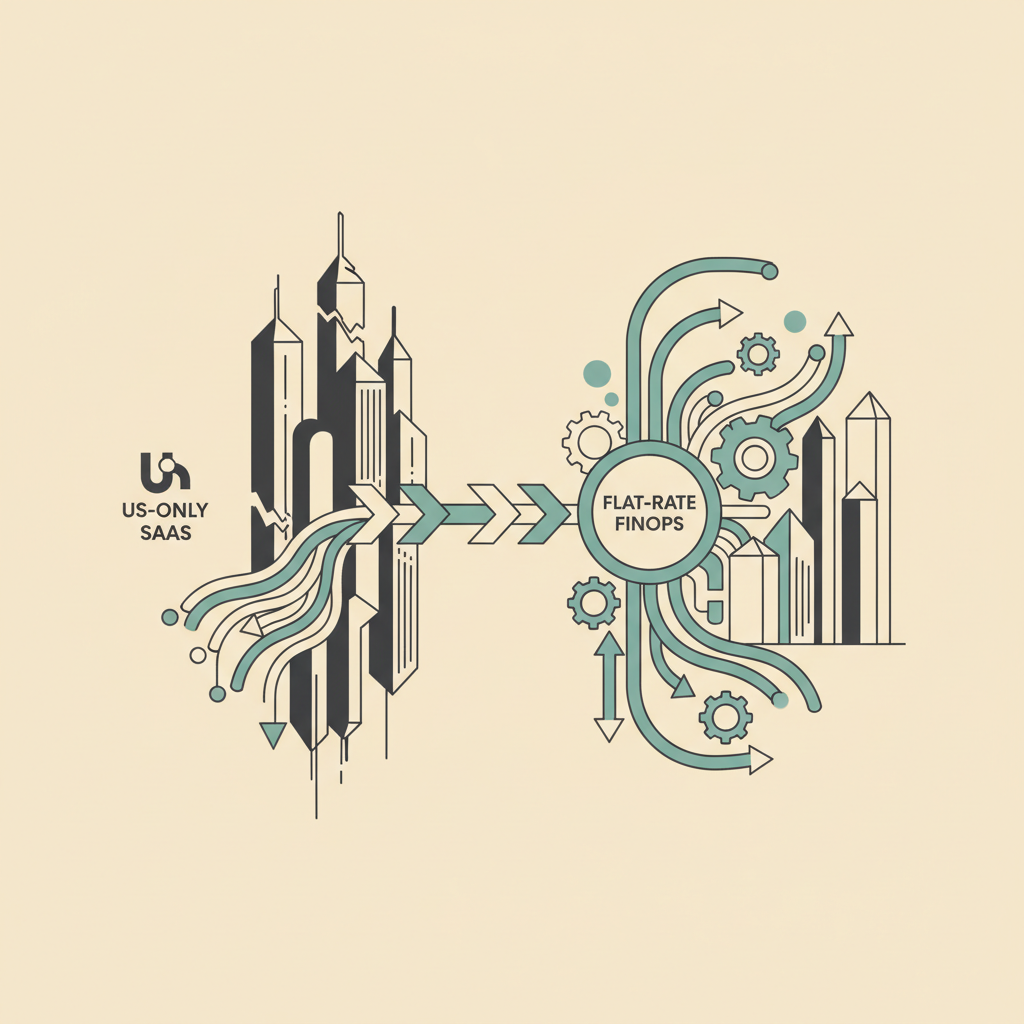
+-------------------------------------------------------------------------------------------------+
|                                 THE FINOPS LATENCY & COST TRAP                                  |
|                                                                                                 |
|  Legacy Tool:  [ Cloud Billing ] ---> (24-48h Batch ETL) ---> [ Static Jira Recommendation ]    |
|  (Cloudability)                                                  (Sits untouched for months)    |
|                                                                                                 |
|  CostGlass:    [ 13 Connectors ]  ---> (6-Hour Sync Engine) ---> [ Embedded Senior Engineers ]  |
|                                                                  (Execute Terraform & Schedules)|
+-------------------------------------------------------------------------------------------------+
Head-to-Head Comparison: CostGlass vs. Cloudability vs. Competitors
The following matrix evaluates the top multi-cloud FinOps platforms across deployment architecture, pricing model, data latency, and operational execution:
| Capability / Metric | CostGlass | IBM Apptio Cloudability | CloudZero | Vantage | Finout |
|---|---|---|---|---|---|
| Pricing Structure | Predictable Flat Fee ($0 to $1,499/mo) | Sales-Gated % of Spend / Annual Contract | Sales-Gated Annual Contract | Spend Tiered / Custom | Annual Contract (+25% K8s Add-on) |
| Savings Cut / Cloud Tax | 0% Tax (Keep 100% of savings) | Spend Percentage Fee | Hidden in Contract | 0% Tax | 0% Tax (High add-on fees) |
| Data Refresh Rate | 6 Hours | 24–48 Hours | 24 Hours | 6–12 Hours | 12–24 Hours |
| Native Connectors | 13 (AWS, Azure, GCP, OCI, Alibaba, DO, Linode, Cloudflare, OpenCost, Snowflake, Datadog, OpenAI, Anthropic) | 3 (AWS, Azure, GCP) | 5 (AWS, Azure, GCP, Snowflake, Datadog) | 8 (AWS, Azure, GCP, K8s, Snowflake, Datadog, OpenAI, Fastly) | 6 (AWS, Azure, GCP, K8s, Snowflake, Datadog) |
| Hands-on Remediation | Included (8 hrs/mo senior DevOps execution on Scale) | None (Software Only) | None (Software Only) | None (Software Only) | None (Software Only) |
| Kubernetes Allocation | Included at $0 extra (OpenCost CPU/RAM/GPU/CO2e) | Basic Add-on | Included | Basic Add-on | +25% Surcharge |
| Sovereign Data Residency | UK, EU, US, APAC Cells + Private AWS BYOC | US Multi-tenant Only | US Multi-tenant Only | US Multi-tenant Only | US Multi-tenant Only |
| AI Assistant Integration | Native MCP Server (@costglass/mcp) |
None | None | Limited API | None |
Executive ROI & C-Suite Business Case: Eliminating Software Waste
For Chief Technology Officers, Chief Financial Officers, and VPs of Engineering, evaluating a cloud cost management platform comes down to net financial impact, gross margin preservation, and speed to execution.
1. Predictable Flat Pricing vs. Percentage-of-Spend Taxes
Legacy enterprise tools charge standard fees tied directly to cloud spend. On a $2,000,000 annual AWS and Azure infrastructure spend, a 2% software tax equals $40,000 per year solely for billing dashboards.
CostGlass pricing operates on transparent flat monthly tiers:
- Free: $0 / £0 per month (up to £5,000/mo cloud spend cap)
- Starter: $99/mo (up to £15,000/mo cloud spend cap)
- Growth: $499/mo (up to £50,000/mo cloud spend cap)
- Scale: $1,499/mo (up to £100,000/mo cloud spend cap; includes 8 dedicated senior DevOps/FinOps engineer-hours every month to execute approved optimizations)
- Enterprise: Custom pricing (> £100,000/mo spend cap; custom SLA, dedicated engineer, private in-account AWS deployment)
Under this flat-rate structure, as your cloud infrastructure expands, software overhead remains capped, returning 100% of optimized savings directly to your balance sheet.
2. "Done-For-You" Engineer Execution vs. Hiring Headcount
Staffing a dedicated internal FinOps team requires hiring senior cloud engineers at upwards of $180,000 annually per engineer. Passive software platforms like Cloudability highlight rightsizing candidates, unattached EBS volumes, and idle NAT Gateways, but hand the execution burden back to already overloaded engineering teams.
CostGlass's Scale plan solves the operational bottleneck by embedding senior DevOps and FinOps engineers directly into your workflow. Every month, CostGlass engineers utilize your 8 dedicated hours to draft Terraform pull requests, configure off-hours compute schedules, adjust container requests, and execute commitment purchases—delivering immediate EBITDA improvements without hiring additional headcount.
The Hidden Trap of In-House FinOps Pipelines
When evaluating legacy alternatives, engineering teams often consider building an internal cost aggregation pipeline using custom ETL scripts, serverless cron jobs, and custom database schemas. However, internal builds quickly turn into permanent maintenance sinkholes:
- Fragile Schema Drift: Cloud vendors frequently modify billing export specifications (such as AWS CUR 2.0 updates or Azure MCA export structures), causing internal SQL pipelines to break silently.
- Engineering Overhead: Building multi-cloud normalization, virtual tagging rules, and currency conversion models consumes hundreds of engineering hours that should be spent building core SaaS products.
- Lack of Real-Time Sync & Security Risks: Internal scripts often rely on static daily runs and hardcoded IAM credentials, lacking enterprise security features like SAML 2.0 SSO, fail-closed RBAC, and sovereign regional data residency.
Instead of burning payroll on internal dashboard maintenance, organizations deploy CostGlass in under 5 minutes using read-only Terraform connectors.
Example: Deploying the Read-Only CostGlass Connector via Terraform
CostGlass connects to your cloud accounts securely using least-privilege IAM roles with unique ExternalId verification. Zero long-lived credentials are ever stored:
# CostGlass Read-Only IAM Role for AWS Accounts
module "costglass_aws_connector" {
  source  = "costglass/aws-connector/aws"
  version = "~> 2.1.0"

  costglass_account_id = "767397798730"
  external_id          = "cg_live_ext_98f41a3bc8912e77"
  enable_cur2_access   = true
}

output "role_arn" {
  value = module.costglass_aws_connector.role_arn
}
How to Migrate from Cloudability to CostGlass in 3 Steps
Transitioning from legacy enterprise tools to CostGlass requires zero service downtime and no modifications to production infrastructure.
Step 1: Connect Your Cloud, Data, and AI Providers
Navigate to CostGlass Account Management and attach your cloud billing exports using native 1-click integrations or Terraform modules. CostGlass ingests billing telemetry across AWS, Azure, GCP, OCI, Alibaba Cloud, DigitalOcean, Linode, Cloudflare, OpenCost Kubernetes clusters, Snowflake, Datadog, OpenAI, and Anthropic.
Step 2: Establish Board-Ready Unit Economics & Virtual Tagging
Eliminate unallocated cloud spend without modifying live cloud tags. Use CostGlass Virtual Tagging to write SQL-compiled allocation rules (VTAG:BusinessUnit) that group legacy resources, untagged Kubernetes namespaces, and shared databases retroactively. Define custom metrics in CostGlass Unit Economics to track cost per customer, cost per API transaction, or cost per 1,000 AI tokens.
Step 3: Enable Multi-Cloud Instance Scheduling & Automated Execution
Reduce dev/staging environment compute costs by up to 65% by establishing automated off-hours schedules in the CostGlass Instance Scheduler. Apply simple tags (cg-schedule=office-hours) to EC2, RDS, Azure VMs, or GCP instances. Upgrade to the Scale plan to let embedded CostGlass engineers review your measured rightsizing recommendations and execute optimizations on your behalf.
Frequently Asked Questions
How does CostGlass pricing compare to IBM Apptio Cloudability?
Cloudability requires annual contracts based on a percentage of cloud spend (typically 1%–3%), resulting in five- or six-figure annual bills. CostGlass provides transparent flat-rate pricing starting at $0/mo (Free tier up to £5k spend), $99/mo (Starter), $499/mo (Growth), and $1,499/mo (Scale, up to £100k spend cap), with zero percentage taxes on your cloud spend or savings.
Can CostGlass handle Kubernetes pod allocation and AI API spend?
Yes. Unlike Cloudability, CostGlass includes native Kubernetes cost allocation via OpenCost (tracking pod CPU, RAM, GPU, and carbon CO2e emissions) at $0 extra charge. CostGlass also directly ingests OpenAI and Anthropic API token consumption, batch discounts, and model-level spend alongside traditional cloud provider infrastructure.
What is included in the CostGlass Scale plan's engineering execution?
The Scale plan ($1,499/mo) includes 8 dedicated senior DevOps and FinOps engineer-hours every month. Instead of handing your team a list of alerts, CostGlass engineers actively write Terraform pull requests, configure compute schedules, optimize container resource limits, and execute commitment purchases following your team's approval.
Ready to replace legacy enterprise FinOps overhead with predictable flat pricing and hands-on engineering execution? Explore CostGlass vs Cloudability, calculate your savings with our flat-rate pricing plans, or read the CostGlass Documentation to launch your 14-day trial today.
Engineering- und Finanzverantwortliche, die von IBM Apptio Cloudability migrieren, benötigen eine moderne FinOps-Plattform, die sechsstellige jährliche Vertragsknebelungen, 24- bis 48-stündige Datenlatenz und passive Empfehlungs-Backlogs eliminiert. Moderne Alternativen setzen auf transparente Festpreise, 6-stündigen Cross-Cloud-Sync über 13 native Konnektoren (AWS, Azure, GCP, OCI, Alibaba, Kubernetes, Datadog, Snowflake und KI-Anbieter) sowie direkte Ingenieursunterstützung bei der Umsetzung, um einen sofortigen ROI zu erzielen.
Die architektonischen und kommerziellen Einschränkungen von Legacy-Cloudability
Apptio Cloudability (von IBM übernommen) wurde vor über einem Jahrzehnt für die traditionelle Enterprise-IT-Beschaffung entwickelt. Während es früh Standards für das Multi-Cloud-Reporting setzte, stehen moderne Engineering-Organisationen bei der Nutzung veralteter FinOps-Suiten vor erheblichen operationalen Hürden:
- Undurchsichtige Vertriebsverträge & prozentuale Cloud-Steuer: Veraltete Anbieter binden Unternehmen in starre, mehrjährige Verträge, die als Prozentsatz des gesamten Cloud-Spendings berechnet werden (oft 1 % bis 3 %). Wenn die Cloud-Compute-Nutzung expandiert oder der KI-Modellverbrauch skaliert, werden Unternehmen finanziell allein dafür bestraft, dass sie wachsen.
- Schwere Ingestionslatenz (24 bis 48 Stunden): Cloudability arbeitet mit verzögerter Batch-Verarbeitung. Bis eine Abrechnungsanomalie oder ein fehlkonfiguriertes Kubernetes-Deployment einen Alarm auslöst, sind bereits 48 Stunden ungebremster Infrastrukturkosten aufgelaufen.
- Blinde Flecken bei moderner KI-, Daten- und SaaS-Infrastruktur: Cloudability wurde nicht für tokenbasierte KI-Workloads (OpenAI, Anthropic), Data-Warehouse-Credits (Snowflake) oder native Kubernetes-Pod-Kosten und CO2-Metriken entwickelt. Der Versuch, KI-Inferenzkosten mit Abrechnungen von Cloud-Providern abzugleichen, erfordert komplexe, manuelle Custom-Feeds.
- Die Falle des „passiven Dashboards“ und unerschöpflicher Backlogs: Cloudability generiert Hunderte statischer Empfehlungen, die ungenutzt in Jira-Backlogs der Engineering-Teams liegen. Ohne dediziertes Personal zur Validierung und Umsetzung von Rightsizing- oder Scheduling-Richtlinien bleiben gemeldete Einsparungen rein theoretisch.
+-------------------------------------------------------------------------------------------------+
|                                 THE FINOPS LATENCY & COST TRAP                                  |
|                                                                                                 |
|  Legacy Tool:  [ Cloud Billing ] ---> (24-48h Batch ETL) ---> [ Static Jira Recommendation ]    |
|  (Cloudability)                                                  (Sits untouched for months)    |
|                                                                                                 |
|  CostGlass:    [ 13 Connectors ]  ---> (6-Hour Sync Engine) ---> [ Embedded Senior Engineers ]  |
|                                                                  (Execute Terraform & Schedules)|
+-------------------------------------------------------------------------------------------------+
Direktvergleich: CostGlass vs. Cloudability vs. Mitbewerber
Die folgende Matrix bewertet die führenden Multi-Cloud-FinOps-Plattformen hinsichtlich Architektur, Preismodell, Datenlatenz und operationaler Umsetzung:
| Funktionalität / Metrik | CostGlass | IBM Apptio Cloudability | CloudZero | Vantage | Finout |
|---|---|---|---|---|---|
| Preisstruktur | Planbare Festpreispauschale ($0 bis $1.499/Mo.) | Vertriebsgebunden, % des Spendings / Jahresvertrag | Vertriebsgebundener Jahresvertrag | Spending-Staffelung / Custom | Jahresvertrag (+25 % K8s-Add-on) |
| Einsparungsanteil / Cloud-Steuer | 0 % Steuer (100 % der Einsparungen behalten) | prozentuale Fee auf Spending | Im Vertrag versteckt | 0 % Steuer | 0 % Steuer (Hohe Add-on-Gebühren) |
| Datenaktualisierung | 6 Stunden | 24–48 Stunden | 24 Stunden | 6–12 Stunden | 12–24 Stunden |
| Native Konnektoren | 13 (AWS, Azure, GCP, OCI, Alibaba, DO, Linode, Cloudflare, OpenCost, Snowflake, Datadog, OpenAI, Anthropic) | 3 (AWS, Azure, GCP) | 5 (AWS, Azure, GCP, Snowflake, Datadog) | 8 (AWS, Azure, GCP, K8s, Snowflake, Datadog, OpenAI, Fastly) | 6 (AWS, Azure, GCP, K8s, Snowflake, Datadog) |
| Praktische Umsetzung (Hands-on) | Inbegriffen (8 Std./Mo. Senior-DevOps-Umsetzung im Scale-Tarif) | Keine (Nur Software) | Keine (Nur Software) | Keine (Nur Software) | Keine (Nur Software) |
| Kubernetes-Zuordnung | Ohne Aufpreis enthalten (OpenCost CPU/RAM/GPU/CO2e) | Basis-Add-on | Inbegriffen | Basis-Add-on | +25 % Aufschlag |
| Souveräne Datenresidenz | UK-, EU-, US-, APAC-Zellen + Private AWS BYOC | Nur US Multi-tenant | Nur US Multi-tenant | Nur US Multi-tenant | Nur US Multi-tenant |
| KI-Assistenten-Integration | Nativer MCP-Server (@costglass/mcp) |
Keine | Keine | Eingeschränkte API | Keine |
ROI für Führungskräfte & C-Suite Business Case: Eliminierung von Software-Verschwendung
Für Chief Technology Officers, Chief Financial Officers und VPs of Engineering läuft die Bewertung einer Cloud-Kostenmanagement-Plattform auf die finanzielle Nettoauswirkung, den Erhalt der Bruttomarge und die Umsetzungsgeschwindigkeit hinaus.
1. Planbare Festpreise vs. prozentuale Cloud-Spend-Steuern
Veraltete Enterprise-Tools verlangen Standardgebühren, die direkt an die Cloud-Ausgaben gekoppelt sind. Bei jährlichen AWS- und Azure-Infrastrukturausgaben von 2.000.000 $ entspricht eine 2-prozentige Software-Steuer 40.000 $ pro Jahr allein für Billing-Dashboards.
Die CostGlass-Preise basieren auf transparenten monatlichen Festpreis-Stufen:
- Free: 0 $ / 0 £ pro Monat (bis zu 5.000 £/Mo. Cloud-Spend-Limit)
- Starter: 99 $/Mo. (bis zu 15.000 £/Mo. Cloud-Spend-Limit)
- Growth: 499 $/Mo. (bis zu 50.000 £/Mo. Cloud-Spend-Limit)
- Scale: 1.499 $/Mo. (bis zu 100.000 £/Mo. Cloud-Spend-Limit; beinhaltet jeden Monat 8 dedizierte Senior-DevOps/FinOps-Ingenieurstunden, um genehmigte Optimierungen umzusetzen)
- Enterprise: Individuelle Preise (> 100.000 £/Mo. Spend-Limit; individuelles SLA, dedizierter Ingenieur, private AWS-Bereitstellung im eigenen Account)
Unter dieser Festpreisstruktur bleiben bei einer Expansion Ihrer Cloud-Infrastruktur die Software-Gemeinkosten gedeckelt, sodass 100 % der optimierten Einsparungen direkt in Ihre Bilanz zurückfließen.
2. „Done-For-You“-Ingenieursumsetzung vs. Personalaufbau
Der Aufbau eines eigenen internen FinOps-Teams erfordert die Einstellung von Senior-Cloud-Ingenieuren für jährlich über 180.000 $ pro Ingenieur. Passive Software-Plattformen wie Cloudability weisen zwar auf Rightsizing-Kandidaten, ungebundene EBS-Volumes und ungenutzte NAT Gateways hin, geben die Umsetzungslast jedoch an bereits überlastete Engineering-Teams zurück.
Der Scale-Tarif von CostGlass löst diesen operationalen Engpass, indem Senior-DevOps- und FinOps-Ingenieure direkt in Ihren Workflow eingebunden werden. Jeden Monat nutzen CostGlass-Ingenieure Ihre 8 dedizierten Stunden, um Terraform-Pull-Requests zu erstellen, Computefahrpläne außerhalb der Geschäftszeiten zu konfigurieren, Container-Ressourcenanforderungen anzupassen und Commitment-Käufe zu tätigen – was zu unmittelbaren EBITDA-Verbesserungen führt, ohne zusätzliches Personal einzustellen.
Die versteckte Falle interner FinOps-Pipelines
Bei der Evaluierung voneinander abweichender Alternativen ziehen Engineering-Teams häufig in Betracht, eine interne Kostenaggregations-Pipeline mit eigenen ETL-Skripten, Serverless-Cron-Jobs und benutzerdefinierten Datenbankschemata aufzubauen. Interne Eigenentwicklungen entwickeln sich jedoch schnell zu dauerhaften Wartungslöchern:
- Fragile Schemaänderungen (Schema Drift): Cloud-Anbieter ändern häufig ihre Abrechnungsexportspezifikationen (wie AWS CUR 2.0-Updates oder Azure MCA-Exportstrukturen), was dazu führt, dass interne SQL-Pipelines lautlos fehlschlagen.
- Engineering-Overhead: Der Aufbau von Multi-Cloud-Normalisierungen, virtuellen Tagging-Regeln und Währungsumrechnungsmodellen verschlingt Hunderte von Entwicklungsstunden, die eigentlich für die Entwicklung von SaaS-Kernprodukten eingesetzt werden sollten.
- Fehlende Echtzeit-Synchronisierung & Sicherheitsrisiken: Interne Skripte beruhen oft auf statischen täglichen Läufen und hartcodierten IAM-Zugangsdaten, ohne Enterprise-Sicherheitsfunktionen wie SAML 2.0 SSO, Fail-closed RBAC und regionale Datensouveränität zu bieten.
Anstatt Budget für die Wartung interner Dashboards zu verbrennen, stellen Organisationen CostGlass in unter 5 Minuten über schreibgeschützte Terraform-Konnektoren bereit.
Beispiel: Bereitstellung des schreibgeschützten CostGlass-Konnektors über Terraform
CostGlass verbindet sich sicher mit Ihren Cloud-Accounts über IAM-Rollen mit minimalen Rechten (Least Privilege) und eindeutiger ExternalId-Verifizierung. Es werden niemals langlebige Zugangsdaten gespeichert:
# CostGlass Read-Only IAM Role for AWS Accounts
module "costglass_aws_connector" {
  source  = "costglass/aws-connector/aws"
  version = "~> 2.1.0"

  costglass_account_id = "767397798730"
  external_id          = "cg_live_ext_98f41a3bc8912e77"
  enable_cur2_access   = true
}

output "role_arn" {
  value = module.costglass_aws_connector.role_arn
}
In 3 Schritten von Cloudability zu CostGlass migrieren
Der Wechsel von Legacy-Enterprise-Tools zu CostGlass erfordert keinerlei Ausfallzeiten und keine Änderungen an Ihrer Produktionsinfrastruktur.
Schritt 1: Verbinden Sie Ihre Cloud-, Daten- und KI-Anbieter
Navigieren Sie zur CostGlass-Kontoverwaltung und binden Sie Ihre Cloud-Abrechnungsexporte über native 1-Klick-Integrationen oder Terraform-Module ein. CostGlass erfasst Abrechnungstelemetrie über AWS, Azure, GCP, OCI, Alibaba Cloud, DigitalOcean, Linode, Cloudflare, OpenCost Kubernetes-Cluster, Snowflake, Datadog, OpenAI und Anthropic.
Schritt 2: Etablieren Sie vorstandstaugliche Unit Economics & virtuelles Tagging
Eliminieren Sie nicht zugewiesene Cloud-Ausgaben, ohne bestehende Cloud-Tags zu ändern. Nutzen Sie das virtuelle Tagging von CostGlass, um SQL-kompilierte Zuweisungsregeln (VTAG:BusinessUnit) zu schreiben, die Legacy-Ressourcen, ungetaggte Kubernetes-Namespaces und gemeinsam genutzte Datenbanken rückwirkend gruppieren. Definieren Sie benutzerdefinierte Metriken in CostGlass Unit Economics, um Kosten pro Kunde, Kosten pro API-Transaktion oder Kosten pro 1.000 KI-Token zu verfolgen.
Schritt 3: Multi-Cloud-Instanz-Scheduling & automatisierte Ausführung aktivieren
Reduzieren Sie die Compute-Kosten für Entwicklungs- und Staging-Umgebungen um bis zu 65 %, indem Sie automatisierte Zeitpläne außerhalb der Arbeitszeiten im CostGlass Instance Scheduler einrichten. Wenden Sie einfache Tags (cg-schedule=office-hours) auf EC2, RDS, Azure VMs oder GCP-Instanzen an. Upgraden Sie auf den Scale-Tarif, um eingebettete CostGlass-Ingenieure Ihre gemessenen Rightsizing-Empfehlungen überprüfen und Optimierungen in Ihrem Namen ausführen zu lassen.
Häufig gestellte Fragen (FAQ)
Wie unterscheidet sich die Preisgestaltung von CostGlass im Vergleich zu IBM Apptio Cloudability?
Cloudability erfordert Jahresverträge auf Basis eines Prozentsatzes der Cloud-Ausgaben (typischerweise 1 %–3 %), was zu fünf- oder sechsstelligen Jahresabrechnungen führt. CostGlass bietet transparente Festpreise ab 0 $/Mo. (Free-Tarif bis zu 5k £ Spend), 99 $/Mo. (Starter), 499 $/Mo. (Growth) und 1.499 $/Mo. (Scale, bis zu 100k £ Spend-Limit) – ohne jegliche prozentuale Steuern auf Ihre Cloud-Ausgaben oder Einsparungen.
Kann CostGlass Kubernetes-Pod-Zuweisungen und KI-API-Ausgaben verarbeiten?
Ja. Im Gegensatz zu Cloudability enthält CostGlass eine native Kubernetes-Kostenaufteilung über OpenCost (Erfassung von Pod-CPU, RAM, GPU und CO2-Emissionen CO2e) ohne Aufpreis. CostGlass erfasst zudem direkt den Token-Verbrauch von OpenAI- und Anthropic-APIs, Batch-Rabatte und Ausgaben auf Modellebene neben der traditionellen Infrastruktur der Cloud-Provider.
Was ist in den Ingenieursstunden des CostGlass-Scale-Tarifs enthalten?
Der Scale-Tarif (1.499 $/Mo.) umfasst jeden Monat 8 dedizierte Senior-DevOps- und FinOps-Ingenieurstunden. Anstatt Ihrem Team lediglich eine Liste mit Warnmeldungen zu übergeben, schreiben CostGlass-Ingenieure aktiv Terraform-Pull-Requests, konfigurieren Compute-Zeitpläne, optimieren Container-Ressourcenlimits und führen Commitment-Käufe nach Freigabe durch Ihr Team aus.
Bereit, veralteten Enterprise-FinOps-Overhead durch planbare Festpreise und praktische Ingenieursunterstützung zu ersetzen? Vergleichen Sie CostGlass vs. Cloudability, berechnen Sie Ihre Einsparungen mit unseren Festpreis-Tarifen oder lesen Sie die CostGlass-Dokumentation, um Ihre 14-tägige Testversion noch heute zu starten.
Ready to unify your multi-cloud costs?
See your AWS, Azure, GCP, and Kubernetes spend in canonical FOCUS 1.0 in under 15 minutes.
More from the blog
View all →