Top Vantage Alternatives in 2026: Why Engineering Leaders Choose Flat-Rate FinOps Over US-Only SaaS
Compare Vantage alternatives. Discover why CostGlass's flat pricing, sovereign data residency, and engineer-executed FinOps beat US-only SaaS and opaque pricing.
- Canonical cost normalization across AWS, Azure, GCP, Kubernetes, and LLM APIs into FOCUS 1.0 schema.
- Real-time COGS and gross margin attribution mapped directly to engineering teams and customer tenants.
- Flat monthly pricing with engineer-executed savings automation, avoiding vendor lock-in or savings tax penalties.
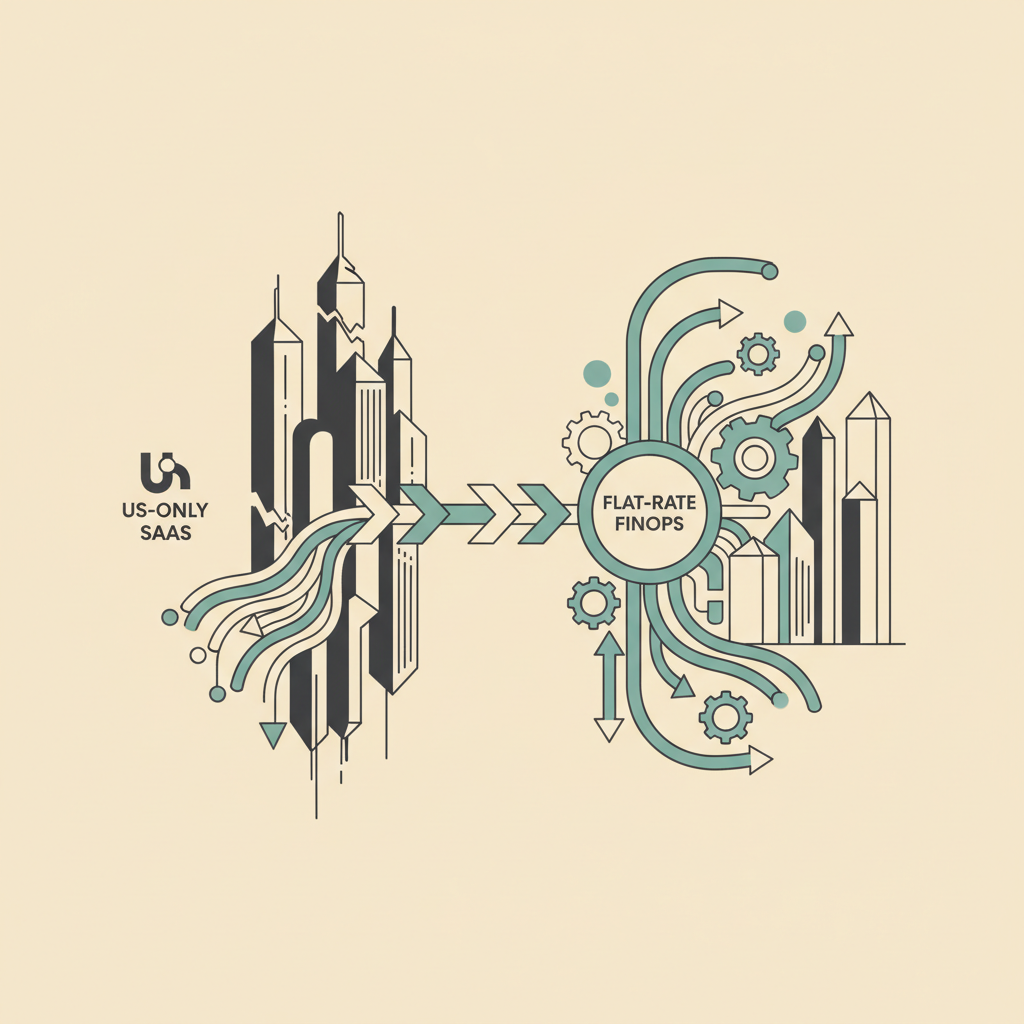
Engineering and financial leaders evaluating Vantage alternatives are seeking a FinOps platform that offers transparent, predictable pricing, global data residency options, and hands-on execution of savings rather than just software-only recommendations. While Vantage provides a useful dashboard for cloud cost visibility, its US-centric hosting, smaller free tier, and lack of engineer-executed remediation often lead organizations to seek more comprehensive, globally compliant, and actionable FinOps solutions. CostGlass offers a superior alternative with flat monthly pricing, sovereign data residency cells, 13 native multi-cloud connectors, and embedded FinOps engineers who execute approved optimizations.
The Commercial & Architectural Limitations of Vantage for Enterprise FinOps
Vantage has carved out a niche in cloud cost management, particularly for AWS-centric organizations. However, as cloud estates grow in complexity, encompassing multi-cloud (Azure, GCP, OCI, Alibaba), Kubernetes, AI/LLM spend, and data platforms like Snowflake, its limitations become apparent. For global enterprises, these limitations often translate into compliance risks, higher Total Cost of Ownership (TCO), and slower time-to-savings:
- US-Only SaaS & Data Residency Concerns: Vantage is primarily a US-hosted SaaS solution. For companies operating in the UK, EU, or APAC regions, this raises significant data residency and compliance concerns (e.g., GDPR, FCA, APRA). Sending sensitive financial telemetry across borders to a US-only platform can be a non-starter for regulated industries.
- Smaller Free Tier & Opaque Pricing: While Vantage offers a free tier, it has a lower cloud spend cap ($2,500/month) compared to CostGlass's £5,000/month allowance. Beyond the free tier, Vantage's pricing can become less transparent, often scaling with a percentage of cloud spend, which penalizes growth and makes cost prediction difficult.
- Software-Only Recommendations: Like many FinOps tools, Vantage excels at identifying cost anomalies and recommending optimizations. However, it typically stops at the recommendation stage, leaving busy engineering teams with a backlog of manual work. This often leads to recommendation fatigue and delayed realization of savings.
- Limited Multi-Cloud & Kubernetes Scope: While Vantage supports major clouds, its depth of integration for niche clouds (OCI, Alibaba, DigitalOcean, Linode, Cloudflare), Kubernetes (pod/namespace/GPU allocation), and emerging AI/LLM platforms (OpenAI, Anthropic) may not match the comprehensive coverage required by modern multi-cloud enterprises.
CostGlass vs. Vantage: A Head-to-Head Comparison for Enterprise FinOps
When comparing CostGlass against Vantage, CTOs, CFOs, and VPs of Engineering will find distinct advantages in CostGlass's commercial model, architectural flexibility, and hands-on execution capabilities.
| Feature / Metric | Vantage (Typical) | CostGlass |
|---|---|---|
| Pricing Model | Spend-based, potentially percentage of spend | Flat Monthly Fee (Free: $0, Starter: $99, Growth: $499, Scale: $1,499, Enterprise: Custom) |
| Free Tier Spend Cap | ~$2,500/month cloud spend | £5,000/month cloud spend (larger allowance) |
| Data Residency Options | US-only SaaS | UK, EU, US, APAC Regional Cells + Private AWS BYOC Deployment |
| Multi-Cloud Connectors | AWS, Azure, GCP, (some others) | 13 Native Connectors: AWS, Azure, GCP, OCI, Alibaba, DigitalOcean, Linode, Cloudflare, Kubernetes, OpenAI, Anthropic, Snowflake, Datadog |
| Data Refresh Rate | Hourly/Daily | Every 6 Hours for unified multi-cloud ledger |
| Kubernetes Cost Allocation | Basic cluster-level | Granular OpenCost: Pod, Namespace, GPU, CO2e, Controller, Workload-level attribution |
| AI/LLM Cost Tracking | Limited/Manual | Native OpenAI/Anthropic token/model tracking, Batch API discounts, MCP server |
| Unit Economics | Manual setup | Automated & Audit-Ready: Cost per customer/API/token, 1-click Excel/PDF reports |
| Optimization Execution | Software recommendations only | Scale Plan: 8+ Dedicated FinOps/DevOps Engineer-Hours/Month to execute approved optimizations |
| Virtual Tagging | Limited/Cloud-native tags | SQL-Compiled Virtual Tags (VTAG:): Retroactive allocation of 100% untagged spend, AI builder |
| Instance Scheduling | Basic | Multi-Cloud Instance Scheduler (cg-schedule): Automated start/stop, ASG/VMSS safe, snooze links |
| Commitment Management | Tracking | Unified Portfolio: AWS RIs/SPs, Azure Reservations/SPs, GCP CUDs, What-If Simulator |
| Regulatory Compliance (Data) | US-centric | GDPR, FCA, SOC2 compliant with regional data cells & BYOC |
Why CostGlass Wins: Transparent Pricing, Global Compliance, and Hands-On Savings
Zero "Cloud Tax" with Transparent Flat Pricing: While Vantage and many competitors use percentage-of-spend models, CostGlass offers predictable flat monthly fees. From our Free tier ($0 / £0 up to £5,000/mo cloud spend) to Starter ($99/mo), Growth ($499/mo), and Scale ($1,499/mo), our pricing ensures that as your cloud or AI spend grows, you keep 100% of every dollar saved. This eliminates the "cloud tax" and fosters a true partnership where CostGlass's success is tied to your savings, not your spend.
Sovereign Data Residency & Private BYOC Deployment: For global enterprises, data residency is non-negotiable. CostGlass allows customers to select their data residency cell at sign-up—UK (
eu-west-2), EU (eu-central-1), US (us-east-1), or APAC (ap-southeast-1). For the most stringent regulatory requirements, the entire CostGlass stack can be deployed privately inside your own AWS account and VPC (BYOC), ensuring zero financial data ever leaves your cloud boundary. This level of control is critical for fintech, healthcare, and defense sectors.Software + Embedded Engineering Execution: The biggest challenge with software-only FinOps tools is the "recommendation fatigue." CostGlass addresses this directly. Our Scale and Enterprise plans include 8+ dedicated senior DevOps/FinOps engineer-hours every month. This means CostGlass engineers don't just identify savings; they actively write Terraform PRs, rightsize instances, configure schedules, and execute approved optimizations, delivering the ROI of a $180,000+/year FinOps hire for a fraction of the cost.
Unified Multi-Cloud, Kubernetes, and AI/LLM Visibility: Instead of stitching together disparate tools, CostGlass provides a single pane of glass across 13 native connectors, updated every 6 hours. This includes deep integrations for AWS, Azure, GCP, OCI, Alibaba Cloud, DigitalOcean, Linode/Akamai, Cloudflare, Kubernetes (OpenCost for pod/namespace/GPU/CO2e), OpenAI, Anthropic, Snowflake, and Datadog. This comprehensive view is essential for accurate unit economics and holistic cost optimization.
The Hidden Cost of "Building Your Own" Multi-Cloud FinOps Pipeline
Many organizations, upon encountering the limitations of point solutions or the high costs of legacy platforms, consider building an in-house multi-cloud FinOps solution. This often starts with the seemingly simple task of aggregating billing data from AWS CUR 2.0, Azure MCA exports, and GCP BigQuery. However, this path is fraught with hidden costs and engineering traps:
- Fragile Schemas & Continuous Maintenance: Cloud providers frequently update their billing schemas. What works today might break tomorrow, requiring constant engineering effort to maintain ETL pipelines. Our engineers have seen this firsthand.
- Data Latency & Inconsistent Normalization: Achieving a unified, normalized view across multiple clouds with a consistent 6-hour refresh rate is a non-trivial engineering feat. In-house solutions often suffer from data latency, making real-time anomaly detection and accurate period-over-period comparisons challenging.
- Diverted Engineering Resources: Building and maintaining a robust FinOps platform diverts highly paid engineers from developing revenue-generating products. The opportunity cost of this internal effort often far outweighs the cost of a specialized SaaS solution.
- Lack of Advanced Features: Building features like SQL-compiled Virtual Tagging, AI anomaly detection, multi-cloud instance scheduling, commitment what-if simulators, or a serverless MCP server for AI coding assistants in-house is a multi-year, multi-million-dollar endeavor.
CostGlass eliminates this maintenance burden, providing a turnkey platform that connects in minutes via read-only IAM roles, delivers a unified multi-cloud ledger refreshed every 6 hours, and includes hands-on engineer execution of approved optimizations. This allows your engineers to focus on what they do best: building your core product.
How to Configure & Automate Multi-Cloud FinOps with CostGlass
Getting started with CostGlass to gain comprehensive multi-cloud visibility and execute savings is straightforward:
Connect Your Cloud Accounts: Begin by connecting your AWS, Azure, GCP, OCI, Alibaba, Kubernetes, and other cloud/SaaS providers. CostGlass uses least-privilege IAM roles (e.g., a 1-click CloudFormation stack for AWS or an Azure Service Principal with Billing Profile Reader role) to ensure secure, read-only access. You can find detailed guides in our Connect Overview documentation.
Define Virtual Tags for Allocation: Navigate to the Virtual Tagging section (
#finops:virtual-tags) to retroactively allocate untagged or shared costs. Use our AI Virtual Tag builder to create complex rules (e.g.,VTAG:Owner = 'Platform Team' WHERE service_name CONTAINS 'eks' AND account_id = '123456789012') that compile into SQL expressions, providing 100% cost attribution without modifying cloud resources. Learn more about Virtual Tagging.Implement Multi-Cloud Instance Scheduling: Automate off-hours shutdowns for dev/staging environments. Go to the Instance Scheduler (
#finops:scheduler), create Named Schedule Templates, and apply them using tags likecg-schedule:weekdays-9-to-5to your EC2 instances, Azure VMs, or GCP instances. CostGlass safely handles autoscaling groups and provides developers with snooze links for production safeguards. Explore our Instance Scheduler documentation.Monitor AI/LLM Spend: If you're using OpenAI or Anthropic, connect your API keys to track token usage and costs at the model level. This integrates directly into your unified multi-cloud ledger, allowing you to attribute AI costs to specific projects or features and identify opportunities for Batch API discounts. Details are in our SaaS & AI Spend documentation.
Review Executive Reports & Unit Economics: Utilize the Executive Reports library (
#finops:reports) to generate board-ready reports. Configure Unit Economics (#finops:unit-economics) to track cost per customer, per API request, or per 1,000 AI tokens, ensuring your SaaS gross margins are protected. These reports offer normalized cross-cloud data with honest like-for-like comparisons.
Frequently Asked Questions
Q1: How does CostGlass ensure data residency for global enterprises?
CostGlass offers selectable data residency cells in the UK, EU, US, and APAC regions at sign-up. Each cell is a fully isolated deployment, ensuring your billing telemetry remains within your chosen geographic boundary. For the most stringent requirements, our Enterprise plan allows for private deployment of the entire CostGlass stack within your own AWS account (BYOC), giving you complete control over data sovereignty. This is a critical differentiator for regulated industries operating outside the US.
Q2: What is the primary financial benefit of CostGlass's flat-rate pricing over percentage-of-spend models?
The primary financial benefit is the elimination of the "cloud tax." Percentage-of-spend models penalize growth, taking a larger cut as your cloud spend increases. CostGlass's flat monthly fee ensures predictable costs, allowing you to keep 100% of every dollar saved through optimizations. This transparent model maximizes your ROI and aligns CostGlass's incentives with your cost-saving goals, rather than your cloud consumption.
Q3: How does CostGlass provide hands-on optimization execution, unlike other FinOps platforms?
Unlike most FinOps tools that provide software-only recommendations, CostGlass's Scale and Enterprise plans include dedicated senior DevOps/FinOps engineer-hours every month. These engineers work directly with your team to execute approved optimizations, such as writing Terraform PRs for rightsizing, configuring multi-cloud instance schedules, or implementing commitment purchases. This "done-for-you" approach accelerates your time-to-savings and ensures recommendations translate into realized cost reductions, effectively augmenting your internal team without the overhead of a full-time hire.
Ready to move beyond US-only SaaS and opaque pricing? Explore how CostGlass's flat-rate FinOps, sovereign data residency, and engineer-executed savings can transform your multi-cloud cost management. Start your 14-day free trial or compare our transparent pricing tiers at CostGlass Pricing and see why we're the leading Vantage alternative for global enterprises.
Los líderes de ingeniería y financieros que evalúan alternativas a Vantage buscan una plataforma FinOps que ofrezca precios transparentes y predecibles, opciones de residencia de datos global y ejecución práctica de ahorros en lugar de solo recomendaciones de software. Si bien Vantage proporciona un panel útil para la visibilidad de los costos en la nube, su alojamiento centrado en EE. UU., su nivel gratuito más pequeño y la falta de remediación ejecutada por ingenieros a menudo llevan a las organizaciones a buscar soluciones FinOps más completas, globalmente compatibles y accionables. CostGlass ofrece una alternativa superior con precios mensuales planos, celdas de residencia de datos soberanas, 13 conectores multinube nativos e ingenieros FinOps integrados que ejecutan optimizaciones aprobadas.
Las limitaciones comerciales y arquitectónicas de Vantage para FinOps empresarial
Vantage se ha labrado un nicho en la gestión de costos en la nube, particularmente para organizaciones centradas en AWS. Sin embargo, a medida que los entornos de la nube crecen en complejidad, abarcando multinube (Azure, GCP, OCI, Alibaba), Kubernetes, gastos de IA/LLM y plataformas de datos como Snowflake, sus limitaciones se hacen evidentes. Para las empresas globales, estas limitaciones a menudo se traducen en riesgos de cumplimiento, un mayor costo total de propiedad (TCO) y un tiempo de ahorro más lento:
- SaaS solo para EE. UU. y preocupaciones sobre la residencia de datos: Vantage es principalmente una solución SaaS alojada en EE. UU. Para las empresas que operan en el Reino Unido, la UE o las regiones de APAC, esto plantea importantes preocupaciones sobre la residencia de datos y el cumplimiento (por ejemplo, GDPR, FCA, APRA). Enviar telemetría financiera sensible a través de las fronteras a una plataforma solo para EE. UU. puede ser un impedimento para las industrias reguladas.
- Nivel gratuito más pequeño y precios opacos: Si bien Vantage ofrece un nivel gratuito, tiene un límite de gasto en la nube más bajo ($2,500/mes) en comparación con la asignación de £5,000/mes de CostGlass. Más allá del nivel gratuito, los precios de Vantage pueden volverse menos transparentes, a menudo escalando con un porcentaje del gasto en la nube, lo que penaliza el crecimiento y dificulta la predicción de costos.
- Recomendaciones solo de software: Como muchas herramientas FinOps, Vantage sobresale en la identificación de anomalías de costos y la recomendación de optimizaciones. Sin embargo, generalmente se detiene en la etapa de recomendación, dejando a los equipos de ingeniería ocupados con una acumulación de trabajo manual. Esto a menudo conduce a la fatiga por las recomendaciones y a la demora en la obtención de ahorros.
- Alcance limitado de multinube y Kubernetes: Si bien Vantage admite las principales nubes, su profundidad de integración para nubes de nicho (OCI, Alibaba, DigitalOcean, Linode, Cloudflare), Kubernetes (asignación de pod/espacio de nombres/GPU) y plataformas emergentes de IA/LLM (OpenAI, Anthropic) puede no coincidir con la cobertura integral requerida por las empresas multinube modernas.
CostGlass vs. Vantage: Una comparación directa para FinOps empresarial
Al comparar CostGlass con Vantage, los CTO, CFO y vicepresidentes de ingeniería encontrarán ventajas distintas en el modelo comercial, la flexibilidad arquitectónica y las capacidades de ejecución práctica de CostGlass.
| Característica / Métrica | Vantage (Típico) | CostGlass |
|---|---|---|
| Modelo de precios | Basado en el gasto, potencialmente porcentaje del gasto | Tarifa mensual plana (Gratis: $0, Starter: $99, Growth: $499, Scale: $1,499, Enterprise: Personalizado) |
| Límite de gasto del nivel gratuito | ~$2,500/mes de gasto en la nube | £5,000/mes de gasto en la nube (asignación mayor) |
| Opciones de residencia de datos | SaaS solo para EE. UU. | Celdas regionales de Reino Unido, UE, EE. UU., APAC + Implementación privada de AWS BYOC |
| Conectores multinube | AWS, Azure, GCP, (algunos otros) | 13 conectores nativos: AWS, Azure, GCP, OCI, Alibaba, DigitalOcean, Linode, Cloudflare, Kubernetes, OpenAI, Anthropic, Snowflake, Datadog |
| Frecuencia de actualización de datos | Horaria/Diaria | Cada 6 horas para un libro mayor multinube unificado |
| Asignación de costos de Kubernetes | Nivel de clúster básico | OpenCost granular: Atribución a nivel de Pod, Namespace, GPU, CO2e, Controller, Workload |
| Seguimiento de costos de IA/LLM | Limitado/Manual | OpenAI/Anthropic nativo seguimiento de tokens/modelos, descuentos de API por lotes, servidor MCP |
| Economía unitaria | Configuración manual | Automatizado y listo para auditar: Costo por cliente/API/token, informes de Excel/PDF con 1 clic |
| Ejecución de optimización | Solo recomendaciones de software | Plan Scale: 8+ horas/mes de ingenieros FinOps/DevOps dedicados para ejecutar optimizaciones aprobadas |
| Etiquetado virtual | Etiquetas limitadas/nativas de la nube | Etiquetas virtuales compiladas en SQL (VTAG:): Asignación retroactiva del 100% del gasto sin etiquetar, constructor de IA |
| Programación de instancias | Básica | Programador de instancias multinube (cg-schedule): Inicio/parada automatizados, seguro para ASG/VMSS, enlaces de suspensión |
| Gestión de compromisos | Seguimiento | Portafolio unificado: AWS RIs/SPs, Azure Reservations/SPs, GCP CUDs, Simulador de escenarios hipotéticos |
| Cumplimiento normativo (Datos) | Centrado en EE. UU. | Compatible con GDPR, FCA, SOC2 con celdas de datos regionales y BYOC |
Por qué CostGlass gana: precios transparentes, cumplimiento global y ahorros prácticos
Cero "impuesto en la nube" con precios planos transparentes: Mientras que Vantage y muchos competidores utilizan modelos de porcentaje de gasto, CostGlass ofrece tarifas mensuales planas predecibles. Desde nuestro nivel gratuito ($0 / £0 hasta £5,000/mes de gasto en la nube) hasta Starter ($99/mes), Growth ($499/mes) y Scale ($1,499/mes), nuestros precios garantizan que a medida que su gasto en la nube o en IA crece, usted conserve el 100% de cada dólar ahorrado. Esto elimina el "impuesto en la nube" y fomenta una verdadera asociación donde el éxito de CostGlass está ligado a sus ahorros, no a su gasto.
Residencia de datos soberana e implementación privada de BYOC: Para las empresas globales, la residencia de datos no es negociable. CostGlass permite a los clientes seleccionar su celda de residencia de datos al registrarse: Reino Unido (
eu-west-2), UE (eu-central-1), EE. UU. (us-east-1) o APAC (ap-southeast-1). Para los requisitos regulatorios más estrictos, toda la pila de CostGlass se puede implementar privadamente dentro de su propia cuenta de AWS y VPC (BYOC), asegurando que ningún dato financiero salga de su límite de la nube. Este nivel de control es fundamental para los sectores de fintech, atención médica y defensa.Software + Ejecución de ingeniería integrada: El mayor desafío con las herramientas FinOps solo de software es la "fatiga por las recomendaciones". CostGlass aborda esto directamente. Nuestros planes Scale y Enterprise incluyen 8+ horas de ingenieros DevOps/FinOps senior dedicados cada mes. Esto significa que los ingenieros de CostGlass no solo identifican ahorros; escriben activamente PR de Terraform, dimensionan instancias, configuran programaciones y ejecutan optimizaciones aprobadas, entregando el ROI de una contratación de FinOps de $180,000+/año por una fracción del costo.
Visibilidad unificada de multinube, Kubernetes e IA/LLM: En lugar de unir herramientas dispares, CostGlass proporciona un único panel de vidrio a través de 13 conectores nativos, actualizado cada 6 horas. Esto incluye integraciones profundas para AWS, Azure, GCP, OCI, Alibaba Cloud, DigitalOcean, Linode/Akamai, Cloudflare, Kubernetes (OpenCost para pod/espacio de nombres/GPU/CO2e), OpenAI, Anthropic, Snowflake y Datadog. Esta vista integral es esencial para una economía unitaria precisa y una optimización holística de costos.
El costo oculto de "construir su propia" tubería FinOps multinube
Muchas organizaciones, al encontrar las limitaciones de las soluciones puntuales o los altos costos de las plataformas heredadas, consideran construir una solución FinOps multinube interna. Esto a menudo comienza con la tarea aparentemente simple de agregar datos de facturación de AWS CUR 2.0, exportaciones de Azure MCA y GCP BigQuery. Sin embargo, este camino está plagado de costos ocultos y trampas de ingeniería:
- Esquemas frágiles y mantenimiento continuo: Los proveedores de la nube actualizan con frecuencia sus esquemas de facturación. Lo que funciona hoy podría romperse mañana, lo que requiere un esfuerzo de ingeniería constante para mantener las tuberías ETL. Nuestros ingenieros han visto esto de primera mano.
- Latencia de datos y normalización inconsistente: Lograr una vista unificada y normalizada en múltiples nubes con una frecuencia de actualización consistente de 6 horas es una hazaña de ingeniería no trivial. Las soluciones internas a menudo sufren de latencia de datos, lo que dificulta la detección de anomalías en tiempo real y las comparaciones precisas período a período.
- Recursos de ingeniería desviados: Construir y mantener una plataforma FinOps robusta desvía a ingenieros altamente remunerados de desarrollar productos que generen ingresos. El costo de oportunidad de este esfuerzo interno a menudo supera con creces el costo de una solución SaaS especializada.
- Falta de características avanzadas: Construir características como el etiquetado virtual compilado en SQL, la detección de anomalías de IA, la programación de instancias multinube, los simuladores de escenarios hipotéticos de compromiso o un servidor MCP sin servidor para asistentes de codificación de IA internamente es un esfuerzo de varios años y varios millones de dólares.
CostGlass elimina esta carga de mantenimiento, proporcionando una plataforma llave en mano que se conecta en minutos a través de roles de IAM de solo lectura, ofrece un libro mayor multinube unificado actualizado cada 6 horas e incluye la ejecución práctica por parte de ingenieros de optimizaciones aprobadas. Esto permite que sus ingenieros se concentren en lo que mejor saben hacer: construir su producto principal.
Cómo configurar y automatizar FinOps multinube con CostGlass
Comenzar con CostGlass para obtener una visibilidad multinube integral y ejecutar ahorros es sencillo:
Conecte sus cuentas en la nube: Comience conectando sus proveedores de AWS, Azure, GCP, OCI, Alibaba, Kubernetes y otras nubes/SaaS. CostGlass utiliza roles de IAM de privilegios mínimos (por ejemplo, una pila de CloudFormation de 1 clic para AWS o un Service Principal de Azure con el rol de Lector de perfil de facturación) para garantizar un acceso seguro y de solo lectura. Puede encontrar guías detalladas en nuestra documentación de descripción general de conexión.
Defina etiquetas virtuales para la asignación: Navegue a la sección de etiquetado virtual (
#finops:virtual-tags) para asignar retroactivamente costos sin etiquetar o compartidos. Utilice nuestro constructor de etiquetas virtuales de IA para crear reglas complejas (por ejemplo,VTAG:Owner = 'Platform Team' WHERE service_name CONTAINS 'eks' AND account_id = '123456789012') que se compilan en expresiones SQL, proporcionando una atribución del 100% del costo sin modificar los recursos de la nube. Obtenga más información sobre el etiquetado virtual.Implemente la programación de instancias multinube: Automatice los apagados fuera del horario laboral para los entornos de desarrollo/staging. Vaya al Programador de instancias (
#finops:scheduler), cree plantillas de programación con nombre y aplíquelas usando etiquetas comocg-schedule:weekdays-9-to-5a sus instancias EC2, máquinas virtuales de Azure o instancias de GCP. CostGlass maneja de forma segura los grupos de escalado automático y proporciona a los desarrolladores enlaces de suspensión para salvaguardias de producción. Explore nuestra documentación del programador de instancias.Supervise el gasto en IA/LLM: Si está utilizando OpenAI o Anthropic, conecte sus claves API para rastrear el uso de tokens y los costos a nivel de modelo. Esto se integra directamente en su libro mayor multinube unificado, lo que le permite atribuir los costos de IA a proyectos o características específicas e identificar oportunidades de descuentos de API por lotes. Los detalles se encuentran en nuestra documentación de gasto en SaaS e IA.
Revise los informes ejecutivos y la economía unitaria: Utilice la biblioteca de informes ejecutivos (
#finops:reports) para generar informes listos para la junta. Configure la economía unitaria (#finops:unit-economics) para rastrear el costo por cliente, por solicitud de API o por 1,000 tokens de IA, asegurando que sus márgenes brutos de SaaS estén protegidos. Estos informes ofrecen datos normalizados entre nubes con comparaciones honestas de igual a igual.
Preguntas frecuentes
P1: ¿Cómo garantiza CostGlass la residencia de datos para empresas globales?
CostGlass ofrece celdas de residencia de datos seleccionables en las regiones de Reino Unido, UE, EE. UU. y APAC al registrarse. Cada celda es una implementación completamente aislada, lo que garantiza que su telemetría de facturación permanezca dentro de su límite geográfico elegido. Para los requisitos más estrictos, nuestro plan Enterprise permite la implementación privada de toda la pila de CostGlass dentro de su propia cuenta de AWS (BYOC), lo que le brinda control total sobre la soberanía de los datos. Este es un diferenciador crítico para las industrias reguladas que operan fuera de los EE. UU.
P2: ¿Cuál es el principal beneficio financiero de los precios de tarifa plana de CostGlass sobre los modelos de porcentaje de gasto?
El principal beneficio financiero es la eliminación del "impuesto en la nube". Los modelos de porcentaje de gasto penalizan el crecimiento, tomando una porción mayor a medida que aumenta su gasto en la nube. La tarifa mensual plana de CostGlass garantiza costos predecibles, lo que le permite conservar el 100% de cada dólar ahorrado a través de optimizaciones. Este modelo transparente maximiza su ROI y alinea los incentivos de CostGlass con sus objetivos de ahorro de costos, en lugar de su consumo en la nube.
P3: ¿Cómo proporciona CostGlass una ejecución de optimización práctica, a diferencia de otras plataformas FinOps?
A diferencia de la mayoría de las herramientas FinOps que proporcionan recomendaciones solo de software, los planes Scale y Enterprise de CostGlass incluyen horas de ingenieros DevOps/FinOps senior dedicados cada mes. Estos ingenieros trabajan directamente con su equipo para ejecutar optimizaciones aprobadas, como escribir PR de Terraform para dimensionamiento, configurar programaciones de instancias multinube o implementar compras de compromiso. Este enfoque "hecho para usted" acelera su tiempo de ahorro y garantiza que las recomendaciones se traduzcan en reducciones de costos realizadas, aumentando efectivamente su equipo interno sin la sobrecarga de una contratación a tiempo completo.
¿Listo para ir más allá del SaaS solo para EE. UU. y los precios opacos? Explore cómo FinOps de tarifa plana de CostGlass, la residencia de datos soberana y los ahorros ejecutados por ingenieros pueden transformar su gestión de costos multinube. Comience su prueba gratuita de 14 días o compare nuestros niveles de precios transparentes en Precios de CostGlass y vea por qué somos la alternativa líder a Vantage para empresas globales.
Engineering- und Finanzführungskräfte, die Vantage-Alternativen evaluieren, suchen eine FinOps-Plattform, die transparente, vorhersehbare Preise, globale Datenresidenzoptionen und eine praktische Umsetzung von Einsparungen bietet, anstatt nur Software-Empfehlungen. Während Vantage ein nützliches Dashboard für die Transparenz der Cloud-Kosten bietet, führen seine US-zentrierte Hosting, der kleinere kostenlose Tarif und das Fehlen einer von Ingenieuren durchgeführten Behebung oft dazu, dass Unternehmen umfassendere, global konforme und umsetzbare FinOps-Lösungen suchen. CostGlass bietet eine überlegene Alternative mit festen monatlichen Preisen, souveränen Datenresidenzzellen, 13 nativen Multi-Cloud-Konnektoren und eingebetteten FinOps-Ingenieuren, die genehmigte Optimierungen ausführen.
Die kommerziellen und architektonischen Einschränkungen von Vantage für Enterprise FinOps
Vantage hat sich eine Nische im Cloud-Kostenmanagement erarbeitet, insbesondere für AWS-zentrierte Organisationen. Doch mit zunehmender Komplexität der Cloud-Landschaften, die Multi-Cloud (Azure, GCP, OCI, Alibaba), Kubernetes, AI/LLM-Ausgaben und Datenplattformen wie Snowflake umfassen, werden seine Grenzen deutlich. Für globale Unternehmen führen diese Einschränkungen oft zu Compliance-Risiken, höheren Gesamtbetriebskosten (TCO) und einer langsameren Realisierung von Einsparungen:
- US-Only SaaS & Bedenken hinsichtlich der Datenresidenz: Vantage ist primär eine in den USA gehostete SaaS-Lösung. Für Unternehmen, die in Großbritannien, der EU oder den APAC-Regionen tätig sind, wirft dies erhebliche Bedenken hinsichtlich der Datenresidenz und Compliance auf (z. B. DSGVO, FCA, APRA). Das Senden sensibler Finanztelemetriedaten über Grenzen hinweg an eine reine US-Plattform kann für regulierte Branchen ein Ausschlusskriterium sein.
- Kleinerer kostenloser Tarif & undurchsichtige Preise: Obwohl Vantage einen kostenlosen Tarif anbietet, hat dieser eine niedrigere Cloud-Ausgabenobergrenze (2.500 $/Monat) im Vergleich zu CostGlass's £5.000/Monat. Über den kostenlosen Tarif hinaus können die Preise von Vantage weniger transparent werden und oft mit einem Prozentsatz der Cloud-Ausgaben skalieren, was das Wachstum bestraft und die Kostenprognose erschwert.
- Nur Software-Empfehlungen: Wie viele FinOps-Tools ist Vantage hervorragend darin, Kostenanomalien zu identifizieren und Optimierungen zu empfehlen. Es stoppt jedoch typischerweise in der Empfehlungsphase und hinterlässt vielbeschäftigten Engineering-Teams einen Rückstand an manueller Arbeit. Dies führt oft zu Empfehlungsermüdung und einer verzögerten Realisierung von Einsparungen.
- Begrenzter Multi-Cloud- & Kubernetes-Umfang: Obwohl Vantage wichtige Clouds unterstützt, entspricht die Tiefe der Integration für Nischen-Clouds (OCI, Alibaba, DigitalOcean, Linode, Cloudflare), Kubernetes (Pod-/Namespace-/GPU-Zuweisung) und aufkommende AI/LLM-Plattformen (OpenAI, Anthropic) möglicherweise nicht der umfassenden Abdeckung, die von modernen Multi-Cloud-Unternehmen benötigt wird.
CostGlass vs. Vantage: Ein direkter Vergleich für Enterprise FinOps
Beim Vergleich von CostGlass mit Vantage werden CTOs, CFOs und VPs of Engineering deutliche Vorteile im Geschäftsmodell, der architektonischen Flexibilität und den praktischen Ausführungsmöglichkeiten von CostGlass feststellen.
| Funktion / Metrik | Vantage (Typisch) | CostGlass |
|---|---|---|
| Preismodell | Ausgabenbasiert, potenziell Prozentsatz der Ausgaben | Feste monatliche Gebühr (Kostenlos: $0, Starter: $99, Growth: $499, Scale: $1.499, Enterprise: Benutzerdefiniert) |
| Kostenlose Stufe Ausgabenlimit | ~2.500 $/Monat Cloud-Ausgaben | £5.000/Monat Cloud-Ausgaben (größeres Limit) |
| Datenresidenz-Optionen | Nur US-SaaS | UK, EU, US, APAC Regional Cells + Private AWS BYOC Deployment |
| Multi-Cloud-Konnektoren | AWS, Azure, GCP, (einige andere) | 13 Native Konnektoren: AWS, Azure, GCP, OCI, Alibaba, DigitalOcean, Linode, Cloudflare, Kubernetes, OpenAI, Anthropic, Snowflake, Datadog |
| Datenaktualisierungsrate | Stündlich/Täglich | Alle 6 Stunden für einheitliches Multi-Cloud-Ledger |
| Kubernetes Kostenverteilung | Grundlegend auf Cluster-Ebene | Granulares OpenCost: Pod, Namespace, GPU, CO2e, Controller, Workload-Level-Zuordnung |
| AI/LLM Kostenverfolgung | Begrenzt/Manuell | Native OpenAI/Anthropic Token-/Modellverfolgung, Batch API Rabatte, MCP-Server |
| Unit Economics | Manuelle Einrichtung | Automatisiert & Audit-Ready: Kosten pro Kunde/API/Token, 1-Klick Excel/PDF-Berichte |
| Optimierungsausführung | Nur Software-Empfehlungen | Scale Plan: 8+ dedizierte FinOps/DevOps Engineer-Stunden/Monat zur Ausführung genehmigter Optimierungen |
| Virtuelles Tagging | Begrenzt/Cloud-native Tags | SQL-kompilierte virtuelle Tags (VTAG:): Retroaktive Zuweisung von 100% ungetaggten Ausgaben, AI Builder |
| Instanz-Planung | Grundlegend | Multi-Cloud Instance Scheduler (cg-schedule): Automatisiertes Starten/Stoppen, ASG/VMSS sicher, Snooze-Links |
| Commitment-Management | Verfolgung | Vereinheitlichtes Portfolio: AWS RIs/SPs, Azure Reservations/SPs, GCP CUDs, Was-wäre-wenn-Simulator |
| Regulatorische Compliance (Daten) | US-zentriert | DSGVO, FCA, SOC2 konform mit regionalen Datenzellen & BYOC |
Warum CostGlass gewinnt: Transparente Preise, globale Compliance und praktische Einsparungen
Keine „Cloud-Steuer“ mit transparenten Flatrate-Preisen: Während Vantage und viele Wettbewerber Modelle verwenden, die auf einem Prozentsatz der Ausgaben basieren, bietet CostGlass vorhersehbare feste monatliche Gebühren. Von unserem kostenlosen Tarif (0 $ / 0 £ bis zu 5.000 £/Monat Cloud-Ausgaben) über Starter (99 $/Monat), Growth (499 $/Monat) und Scale (1.499 $/Monat) stellen unsere Preise sicher, dass Sie bei wachsenden Cloud- oder KI-Ausgaben 100 % jedes gesparten Dollars behalten. Dies eliminiert die „Cloud-Steuer“ und fördert eine echte Partnerschaft, bei der der Erfolg von CostGlass an Ihre Einsparungen gebunden ist, nicht an Ihre Ausgaben.
Souveräne Datenresidenz & Private BYOC-Bereitstellung: Für globale Unternehmen ist die Datenresidenz nicht verhandelbar. CostGlass ermöglicht es Kunden, bei der Anmeldung ihre Datenresidenzzelle auszuwählen – UK (
eu-west-2), EU (eu-central-1), US (us-east-1) oder APAC (ap-southeast-1). Für die strengsten regulatorischen Anforderungen kann der gesamte CostGlass-Stack privat in Ihrem eigenen AWS-Konto und VPC (BYOC) bereitgestellt werden, wodurch sichergestellt wird, dass keine Finanzdaten Ihre Cloud-Grenzen verlassen. Dieses Maß an Kontrolle ist entscheidend für die Finanz-, Gesundheits- und Verteidigungsbranche.Software + eingebettete Engineering-Ausführung: Die größte Herausforderung bei reinen Software-FinOps-Tools ist die „Empfehlungsermüdung“. CostGlass begegnet diesem Problem direkt. Unsere Scale- und Enterprise-Pläne umfassen 8+ dedizierte Senior DevOps/FinOps-Ingenieurstunden pro Monat. Das bedeutet, dass CostGlass-Ingenieure nicht nur Einsparungen identifizieren; sie schreiben aktiv Terraform PRs, passen Instanzen an, konfigurieren Zeitpläne und führen genehmigte Optimierungen aus, wodurch der ROI einer FinOps-Einstellung von über 180.000 $/Jahr zu einem Bruchteil der Kosten erzielt wird.
Vereinheitlichte Multi-Cloud-, Kubernetes- und AI/LLM-Transparenz: Anstatt disparate Tools zusammenzufügen, bietet CostGlass eine einzige Übersicht über 13 native Konnektoren, die alle 6 Stunden aktualisiert werden. Dies umfasst tiefe Integrationen für AWS, Azure, GCP, OCI, Alibaba Cloud, DigitalOcean, Linode/Akamai, Cloudflare, Kubernetes (OpenCost für Pod/Namespace/GPU/CO2e), OpenAI, Anthropic, Snowflake und Datadog. Diese umfassende Ansicht ist für genaue Unit Economics und eine ganzheitliche Kostenoptimierung unerlässlich.
Die versteckten Kosten des „Selbstbaus“ einer Multi-Cloud FinOps Pipeline
Viele Organisationen, die auf die Einschränkungen von Punktlösungen oder die hohen Kosten von Legacy-Plattformen stoßen, erwägen den Aufbau einer internen Multi-Cloud FinOps-Lösung. Dies beginnt oft mit der scheinbar einfachen Aufgabe, Abrechnungsdaten von AWS CUR 2.0, Azure MCA-Exporten und GCP BigQuery zu aggregieren. Dieser Weg ist jedoch mit versteckten Kosten und technischen Fallstricken behaftet:
- Fragile Schemas & kontinuierliche Wartung: Cloud-Anbieter aktualisieren ihre Abrechnungsschemas häufig. Was heute funktioniert, kann morgen kaputtgehen und erfordert ständige Ingenieursarbeit zur Wartung der ETL-Pipelines. Unsere Ingenieure haben dies aus erster Hand erfahren.
- Datenlatenz & inkonsistente Normalisierung: Eine vereinheitlichte, normalisierte Ansicht über mehrere Clouds mit einer konsistenten Aktualisierungsrate von 6 Stunden zu erreichen, ist eine nicht-triviale Ingenieursleistung. Interne Lösungen leiden oft unter Datenlatenz, was die Echtzeit-Anomalieerkennung und genaue Periodenvergleiche erschwert.
- Abgelenkte Engineering-Ressourcen: Der Aufbau und die Wartung einer robusten FinOps-Plattform lenkt hochbezahlte Ingenieure von der Entwicklung umsatzgenerierender Produkte ab. Die Opportunitätskosten dieser internen Bemühungen überwiegen oft die Kosten einer spezialisierten SaaS-Lösung bei weitem.
- Fehlende erweiterte Funktionen: Der interne Aufbau von Funktionen wie SQL-kompilierter virtueller Tagging, KI-Anomalieerkennung, Multi-Cloud-Instanzplanung, Commitment-Was-wäre-wenn-Simulatoren oder einem serverlosen MCP-Server für KI-Codierungsassistenten ist ein mehrjähriges, millionenschweres Unterfangen.
CostGlass eliminiert diesen Wartungsaufwand und bietet eine schlüsselfertige Plattform, die sich in wenigen Minuten über schreibgeschützte IAM-Rollen verbindet, ein einheitliches Multi-Cloud-Ledger liefert, das alle 6 Stunden aktualisiert wird, und eine praktische Ingenieursausführung genehmigter Optimierungen umfasst. Dies ermöglicht es Ihren Ingenieuren, sich auf das zu konzentrieren, was sie am besten können: die Entwicklung Ihres Kernprodukts.
So konfigurieren und automatisieren Sie Multi-Cloud FinOps mit CostGlass
Der Einstieg in CostGlass, um umfassende Multi-Cloud-Transparenz zu erhalten und Einsparungen zu erzielen, ist unkompliziert:
Verbinden Sie Ihre Cloud-Konten: Beginnen Sie mit der Verbindung Ihrer AWS-, Azure-, GCP-, OCI-, Alibaba-, Kubernetes- und anderer Cloud-/SaaS-Anbieter. CostGlass verwendet IAM-Rollen mit geringsten Berechtigungen (z. B. einen 1-Klick-CloudFormation-Stack für AWS oder einen Azure Service Principal mit der Rolle „Billing Profile Reader“), um einen sicheren, schreibgeschützten Zugriff zu gewährleisten. Detaillierte Anleitungen finden Sie in unserer Connect Overview Dokumentation.
Definieren Sie virtuelle Tags für die Zuweisung: Navigieren Sie zum Abschnitt „Virtuelles Tagging“ (
#finops:virtual-tags), um ungetaggte oder gemeinsam genutzte Kosten rückwirkend zuzuordnen. Verwenden Sie unseren AI Virtual Tag Builder, um komplexe Regeln zu erstellen (z. B.VTAG:Owner = 'Platform Team' WHERE service_name CONTAINS 'eks' AND account_id = '123456789012'), die in SQL-Ausdrücke kompiliert werden und eine 100%ige Kostenzuordnung ohne Änderung von Cloud-Ressourcen ermöglichen. Erfahren Sie mehr über Virtuelles Tagging.Implementieren Sie die Multi-Cloud-Instanzplanung: Automatisieren Sie das Herunterfahren von Entwicklungs-/Staging-Umgebungen außerhalb der Geschäftszeiten. Gehen Sie zum Instanz-Scheduler (
#finops:scheduler), erstellen Sie benannte Zeitplanvorlagen und wenden Sie diese mithilfe von Tags wiecg-schedule:weekdays-9-to-5auf Ihre EC2-Instanzen, Azure-VMs oder GCP-Instanzen an. CostGlass handhabt Autoscaling-Gruppen sicher und bietet Entwicklern Snooze-Links für Produktionssicherungen. Entdecken Sie unsere Instance Scheduler Dokumentation.Überwachen Sie die AI/LLM-Ausgaben: Wenn Sie OpenAI oder Anthropic verwenden, verbinden Sie Ihre API-Schlüssel, um die Token-Nutzung und -Kosten auf Modellebene zu verfolgen. Dies integriert sich direkt in Ihr einheitliches Multi-Cloud-Ledger, sodass Sie KI-Kosten bestimmten Projekten oder Funktionen zuordnen und Möglichkeiten für Batch-API-Rabatte identifizieren können. Details finden Sie in unserer SaaS & AI Spend Dokumentation.
Überprüfen Sie Executive Reports & Unit Economics: Nutzen Sie die Executive Reports Bibliothek (
#finops:reports), um Vorstands-reife Berichte zu erstellen. Konfigurieren Sie Unit Economics (#finops:unit-economics), um die Kosten pro Kunde, pro API-Anfrage oder pro 1.000 KI-Tokens zu verfolgen und so sicherzustellen, dass Ihre SaaS-Bruttomargen geschützt sind. Diese Berichte bieten normalisierte Cross-Cloud-Daten mit ehrlichen, vergleichbaren Vergleichen.
Häufig gestellte Fragen
F1: Wie gewährleistet CostGlass die Datenresidenz für globale Unternehmen?
CostGlass bietet bei der Anmeldung wählbare Datenresidenzzellen in den Regionen UK, EU, US und APAC an. Jede Zelle ist eine vollständig isolierte Bereitstellung, die sicherstellt, dass Ihre Abrechnungstelemetrie innerhalb Ihrer gewählten geografischen Grenze verbleibt. Für die strengsten Anforderungen ermöglicht unser Enterprise-Plan die private Bereitstellung des gesamten CostGlass-Stacks innerhalb Ihres eigenen AWS-Kontos (BYOC), wodurch Sie die vollständige Kontrolle über die Datensouveränität erhalten. Dies ist ein entscheidendes Unterscheidungsmerkmal für regulierte Branchen, die außerhalb der USA tätig sind.
F2: Was ist der primäre finanzielle Vorteil der Flatrate-Preise von CostGlass gegenüber Modellen, die auf einem Prozentsatz der Ausgaben basieren?
Der primäre finanzielle Vorteil ist die Eliminierung der „Cloud-Steuer“. Modelle, die auf einem Prozentsatz der Ausgaben basieren, bestrafen das Wachstum, indem sie einen größeren Anteil erhalten, wenn Ihre Cloud-Ausgaben steigen. Die feste monatliche Gebühr von CostGlass gewährleistet vorhersehbare Kosten, sodass Sie 100 % jedes durch Optimierungen gesparten Dollars behalten können. Dieses transparente Modell maximiert Ihren ROI und richtet die Anreize von CostGlass an Ihren Kosteneinsparungszielen aus, anstatt an Ihrem Cloud-Verbrauch.
F3: Wie bietet CostGlass eine praktische Optimierungsausführung, im Gegensatz zu anderen FinOps-Plattformen?
Im Gegensatz zu den meisten FinOps-Tools, die nur Software-Empfehlungen geben, umfassen die Scale- und Enterprise-Pläne von CostGlass dedizierte Senior DevOps/FinOps-Ingenieurstunden pro Monat. Diese Ingenieure arbeiten direkt mit Ihrem Team zusammen, um genehmigte Optimierungen auszuführen, wie z. B. das Schreiben von Terraform PRs für Rightsizing, das Konfigurieren von Multi-Cloud-Instanzzeitplänen oder die Implementierung von Commitment-Käufen. Dieser „Done-for-you“-Ansatz beschleunigt Ihre Zeit bis zur Einsparung und stellt sicher, dass Empfehlungen in realisierte Kostenreduzierungen umgesetzt werden, wodurch Ihr internes Team effektiv ergänzt wird, ohne den Overhead einer Vollzeiteinstellung.
Bereit, über reines US-SaaS und undurchsichtige Preise hinauszugehen? Entdecken Sie, wie CostGlass's Flatrate-FinOps, souveräne Datenresidenz und von Ingenieuren ausgeführte Einsparungen Ihr Multi-Cloud-Kostenmanagement transformieren können. Starten Sie Ihre 14-tägige kostenlose Testphase oder vergleichen Sie unsere transparenten Preisstufen unter CostGlass Pricing und sehen Sie, warum wir die führende Vantage-Alternative für globale Unternehmen sind.
Les leaders de l'ingénierie et de la finance qui évaluent les alternatives à Vantage recherchent une plateforme FinOps offrant une tarification transparente et prévisible, des options de résidence des données mondiales et une exécution pratique des économies plutôt que de simples recommandations logicielles. Bien que Vantage offre un tableau de bord utile pour la visibilité des coûts cloud, son hébergement centré sur les États-Unis, son niveau gratuit plus petit et son manque de remédiation exécutée par des ingénieurs incitent souvent les organisations à rechercher des solutions FinOps plus complètes, conformes aux réglementations mondiales et exploitables. CostGlass offre une alternative supérieure avec une tarification mensuelle fixe, des cellules de résidence de données souveraines, 13 connecteurs multi-cloud natifs et des ingénieurs FinOps intégrés qui exécutent les optimisations approuvées.
Les limitations commerciales et architecturales de Vantage pour le FinOps d'entreprise
Vantage s'est taillé une niche dans la gestion des coûts cloud, en particulier pour les organisations centrées sur AWS. Cependant, à mesure que les parcs cloud se complexifient, englobant le multi-cloud (Azure, GCP, OCI, Alibaba), Kubernetes, les dépenses d'IA/LLM et les plateformes de données comme Snowflake, ses limitations deviennent apparentes. Pour les entreprises mondiales, ces limitations se traduisent souvent par des risques de conformité, un coût total de possession (TCO) plus élevé et un délai de réalisation des économies plus lent :
- SaaS uniquement américain et préoccupations concernant la résidence des données : Vantage est principalement une solution SaaS hébergée aux États-Unis. Pour les entreprises opérant au Royaume-Uni, dans l'UE ou dans les régions APAC, cela soulève des préoccupations importantes en matière de résidence des données et de conformité (par exemple, GDPR, FCA, APRA). L'envoi de données financières sensibles au-delà des frontières vers une plateforme uniquement américaine peut être un obstacle pour les industries réglementées.
- Niveau gratuit plus petit et tarification opaque : Bien que Vantage offre un niveau gratuit, il a un plafond de dépenses cloud inférieur (2 250 €/mois) par rapport à l'allocation de 5 000 £/mois de CostGlass. Au-delà du niveau gratuit, la tarification de Vantage peut devenir moins transparente, évoluant souvent avec un pourcentage des dépenses cloud, ce qui pénalise la croissance et rend la prédiction des coûts difficile.
- Recommandations uniquement logicielles : Comme de nombreux outils FinOps, Vantage excelle à identifier les anomalies de coûts et à recommander des optimisations. Cependant, il s'arrête généralement au stade de la recommandation, laissant les équipes d'ingénierie occupées avec un arriéré de travail manuel. Cela conduit souvent à une fatigue des recommandations et à un retard dans la réalisation des économies.
- Portée multi-cloud et Kubernetes limitée : Bien que Vantage prenne en charge les principaux clouds, sa profondeur d'intégration pour les clouds de niche (OCI, Alibaba, DigitalOcean, Linode, Cloudflare), Kubernetes (allocation de pods/espaces de noms/GPU) et les plateformes d'IA/LLM émergentes (OpenAI, Anthropic) peut ne pas correspondre à la couverture complète requise par les entreprises multi-cloud modernes.
CostGlass vs. Vantage : Une comparaison directe pour le FinOps d'entreprise
Lors de la comparaison de CostGlass et de Vantage, les CTO, CFO et VP de l'ingénierie trouveront des avantages distincts dans le modèle commercial, la flexibilité architecturale et les capacités d'exécution pratique de CostGlass.
| Caractéristique / Métrique | Vantage (Typique) | CostGlass |
|---|---|---|
| Modèle de tarification | Basé sur les dépenses, potentiellement un pourcentage des dépenses | Frais mensuels fixes (Gratuit : 0 €, Starter : 99 €, Growth : 499 €, Scale : 1 499 €, Enterprise : Personnalisé) |
| Plafond de dépenses du niveau gratuit | ~2 500 $/mois de dépenses cloud | 5 000 £/mois de dépenses cloud (allocation plus importante) |
| Options de résidence des données | SaaS uniquement américain | Cellules régionales UK, EU, US, APAC + déploiement privé AWS BYOC |
| Connecteurs multi-cloud | AWS, Azure, GCP, (quelques autres) | 13 connecteurs natifs : AWS, Azure, GCP, OCI, Alibaba, DigitalOcean, Linode, Cloudflare, Kubernetes, OpenAI, Anthropic, Snowflake, Datadog |
| Taux de rafraîchissement des données | Horaire/Quotidien | Toutes les 6 heures pour un grand livre multi-cloud unifié |
| Allocation des coûts Kubernetes | Niveau de cluster de base | OpenCost granulaire : Attribution au niveau du pod, de l'espace de noms, du GPU, du CO2e, du contrôleur, de la charge de travail |
| Suivi des coûts AI/LLM | Limité/Manuel | Suivi natif des jetons/modèles OpenAI/Anthropic, remises API par lots, serveur MCP |
| Économie unitaire | Configuration manuelle | Automatisée et prête pour l'audit : Coût par client/API/jeton, rapports Excel/PDF en 1 clic |
| Exécution de l'optimisation | Recommandations logicielles uniquement | Plan Scale : 8+ heures d'ingénieurs FinOps/DevOps dédiés/mois pour exécuter les optimisations approuvées |
| Balises virtuelles | Balises limitées/natives au cloud | Balises virtuelles compilées SQL (VTAG:): Allocation rétroactive de 100 % des dépenses non balisées, constructeur IA |
| Planification des instances | Basique | Planificateur d'instances multi-cloud (cg-schedule): Démarrage/arrêt automatisé, ASG/VMSS sécurisé, liens de répétition |
| Gestion des engagements | Suivi | Portefeuille unifié : AWS RIs/SPs, Azure Reservations/SPs, GCP CUDs, simulateur de scénarios hypothétiques |
| Conformité réglementaire (données) | Centré sur les États-Unis | Conforme GDPR, FCA, SOC2 avec des cellules de données régionales et BYOC |
Pourquoi CostGlass l'emporte : Tarification transparente, conformité mondiale et économies concrètes
Zéro "taxe cloud" avec une tarification fixe transparente : Alors que Vantage et de nombreux concurrents utilisent des modèles basés sur un pourcentage des dépenses, CostGlass propose des frais mensuels fixes prévisibles. De notre niveau gratuit (0 € / 0 £ jusqu'à 5 000 £/mois de dépenses cloud) à Starter (99 €/mois), Growth (499 €/mois) et Scale (1 499 €/mois), notre tarification garantit que, à mesure que vos dépenses cloud ou IA augmentent, vous conservez 100 % de chaque euro économisé. Cela élimine la "taxe cloud" et favorise un véritable partenariat où le succès de CostGlass est lié à vos économies, et non à vos dépenses.
Résidence souveraine des données et déploiement privé BYOC : Pour les entreprises mondiales, la résidence des données est non négociable. CostGlass permet aux clients de sélectionner leur cellule de résidence des données lors de l'inscription — Royaume-Uni (
eu-west-2), UE (eu-central-1), États-Unis (us-east-1) ou APAC (ap-southeast-1). Pour les exigences réglementaires les plus strictes, l'ensemble de la pile CostGlass peut être déployé privément dans votre propre compte AWS et VPC (BYOC), garantissant qu'aucune donnée financière ne quitte jamais la limite de votre cloud. Ce niveau de contrôle est essentiel pour les secteurs de la fintech, de la santé et de la défense.Logiciel + exécution d'ingénierie intégrée : Le plus grand défi avec les outils FinOps uniquement logiciels est la "fatigue des recommandations". CostGlass y répond directement. Nos plans Scale et Enterprise incluent 8+ heures d'ingénieurs DevOps/FinOps seniors dédiés chaque mois. Cela signifie que les ingénieurs CostGlass n'identifient pas seulement les économies ; ils rédigent activement des PR Terraform, redimensionnent les instances, configurent les plannings et exécutent les optimisations approuvées, offrant le retour sur investissement d'un employé FinOps à 180 000 €+/an pour une fraction du coût.
Visibilité unifiée multi-cloud, Kubernetes et AI/LLM : Au lieu de regrouper des outils disparates, CostGlass offre un tableau de bord unique sur 13 connecteurs natifs, mis à jour toutes les 6 heures. Cela inclut des intégrations profondes pour AWS, Azure, GCP, OCI, Alibaba Cloud, DigitalOcean, Linode/Akamai, Cloudflare, Kubernetes (OpenCost pour pod/espace de noms/GPU/CO2e), OpenAI, Anthropic, Snowflake et Datadog. Cette vue complète est essentielle pour une économie unitaire précise et une optimisation holistique des coûts.
Le coût caché de la "construction de votre propre" pipeline FinOps multi-cloud
De nombreuses organisations, confrontées aux limites des solutions ponctuelles ou aux coûts élevés des plateformes héritées, envisagent de construire une solution FinOps multi-cloud interne. Cela commence souvent par la tâche apparemment simple d'agréger les données de facturation d'AWS CUR 2.0, des exportations Azure MCA et de GCP BigQuery. Cependant, cette voie est semée de coûts cachés et de pièges d'ingénierie :
- Schémas fragiles et maintenance continue : Les fournisseurs de cloud mettent fréquemment à jour leurs schémas de facturation. Ce qui fonctionne aujourd'hui pourrait ne plus fonctionner demain, nécessitant un effort d'ingénierie constant pour maintenir les pipelines ETL. Nos ingénieurs en ont été témoins.
- Latence des données et normalisation incohérente : Obtenir une vue unifiée et normalisée sur plusieurs clouds avec un taux de rafraîchissement constant de 6 heures est un exploit d'ingénierie non trivial. Les solutions internes souffrent souvent de latence des données, ce qui rend la détection d'anomalies en temps réel et les comparaisons précises d'une période à l'autre difficiles.
- Ressources d'ingénierie détournées : La construction et la maintenance d'une plateforme FinOps robuste détournent des ingénieurs très bien rémunérés du développement de produits générateurs de revenus. Le coût d'opportunité de cet effort interne dépasse souvent de loin le coût d'une solution SaaS spécialisée.
- Manque de fonctionnalités avancées : La création de fonctionnalités telles que le balisage virtuel compilé SQL, la détection d'anomalies par IA, la planification d'instances multi-cloud, les simulateurs de scénarios hypothétiques d'engagement ou un serveur MCP sans serveur pour les assistants de codage IA en interne est une entreprise de plusieurs années et de plusieurs millions de dollars.
CostGlass élimine ce fardeau de maintenance, offrant une plateforme clé en main qui se connecte en quelques minutes via des rôles IAM à privilèges minimaux, fournit un grand livre multi-cloud unifié rafraîchi toutes les 6 heures et inclut l'exécution pratique par des ingénieurs des optimisations approuvées. Cela permet à vos ingénieurs de se concentrer sur ce qu'ils font le mieux : construire votre produit principal.
Comment configurer et automatiser le FinOps multi-cloud avec CostGlass
Commencer avec CostGlass pour obtenir une visibilité multi-cloud complète et réaliser des économies est simple :
Connectez vos comptes cloud : Commencez par connecter vos fournisseurs AWS, Azure, GCP, OCI, Alibaba, Kubernetes et autres fournisseurs cloud/SaaS. CostGlass utilise des rôles IAM à privilèges minimaux (par exemple, une pile CloudFormation en 1 clic pour AWS ou un principal de service Azure avec le rôle Lecteur de profil de facturation) pour garantir un accès sécurisé et en lecture seule. Vous trouverez des guides détaillés dans notre documentation Vue d'ensemble de la connexion.
Définissez des balises virtuelles pour l'allocation : Accédez à la section Balisage virtuel (
#finops:virtual-tags) pour allouer rétroactivement les coûts non balisés ou partagés. Utilisez notre constructeur de balises virtuelles IA pour créer des règles complexes (par exemple,VTAG:Owner = 'Platform Team' WHERE service_name CONTAINS 'eks' AND account_id = '123456789012') qui se compilent en expressions SQL, offrant une attribution des coûts à 100 % sans modifier les ressources cloud. En savoir plus sur le Balisage virtuel.Implémentez la planification d'instances multi-cloud : Automatisez les arrêts en dehors des heures de travail pour les environnements de développement/staging. Accédez au Planificateur d'instances (
#finops:scheduler), créez des modèles de planification nommés et appliquez-les à l'aide de balises commecg-schedule:weekdays-9-to-5à vos instances EC2, machines virtuelles Azure ou instances GCP. CostGlass gère en toute sécurité les groupes de mise à l'échelle automatique et fournit aux développeurs des liens de répétition pour la protection de la production. Explorez notre documentation sur le planificateur d'instances.Surveillez les dépenses AI/LLM : Si vous utilisez OpenAI ou Anthropic, connectez vos clés API pour suivre l'utilisation et les coûts des jetons au niveau du modèle. Cela s'intègre directement dans votre grand livre multi-cloud unifié, vous permettant d'attribuer les coûts d'IA à des projets ou des fonctionnalités spécifiques et d'identifier les opportunités de remises API par lots. Les détails se trouvent dans notre documentation sur les dépenses SaaS et IA.
Examinez les rapports exécutifs et l'économie unitaire : Utilisez la bibliothèque de rapports exécutifs (
#finops:reports) pour générer des rapports prêts pour le conseil d'administration. Configurez l'économie unitaire (#finops:unit-economics) pour suivre le coût par client, par requête API ou par 1 000 jetons IA, garantissant ainsi la protection de vos marges brutes SaaS. Ces rapports offrent des données inter-cloud normalisées avec des comparaisons honnêtes et équivalentes.
Questions fréquemment posées
Q1 : Comment CostGlass assure-t-il la résidence des données pour les entreprises mondiales ?
CostGlass propose des cellules de résidence de données sélectionnables dans les régions du Royaume-Uni, de l'UE, des États-Unis et de l'APAC lors de l'inscription. Chaque cellule est un déploiement entièrement isolé, garantissant que vos données de facturation restent dans la limite géographique choisie. Pour les exigences les plus strictes, notre plan Enterprise permet le déploiement privé de l'ensemble de la pile CostGlass dans votre propre compte AWS (BYOC), vous donnant un contrôle total sur la souveraineté des données. C'est un différenciateur essentiel pour les industries réglementées opérant en dehors des États-Unis.
Q2 : Quel est le principal avantage financier de la tarification fixe de CostGlass par rapport aux modèles basés sur un pourcentage des dépenses ?
Le principal avantage financier est l'élimination de la "taxe cloud". Les modèles basés sur un pourcentage des dépenses pénalisent la croissance, prenant une part plus importante à mesure que vos dépenses cloud augmentent. Les frais mensuels fixes de CostGlass garantissent des coûts prévisibles, vous permettant de conserver 100 % de chaque euro économisé grâce aux optimisations. Ce modèle transparent maximise votre retour sur investissement et aligne les incitations de CostGlass sur vos objectifs de réduction des coûts, plutôt que sur votre consommation cloud.
Q3 : Comment CostGlass offre-t-il une exécution pratique des optimisations, contrairement aux autres plateformes FinOps ?
Contrairement à la plupart des outils FinOps qui fournissent des recommandations uniquement logicielles, les plans Scale et Enterprise de CostGlass incluent des heures d'ingénieurs DevOps/FinOps seniors dédiés chaque mois. Ces ingénieurs travaillent directement avec votre équipe pour exécuter les optimisations approuvées, telles que la rédaction de PR Terraform pour le redimensionnement, la configuration de plannings d'instances multi-cloud ou la mise en œuvre d'achats d'engagement. Cette approche "clé en main" accélère votre délai de réalisation des économies et garantit que les recommandations se traduisent par des réductions de coûts réelles, augmentant efficacement votre équipe interne sans les frais généraux d'une embauche à temps plein.
Prêt à aller au-delà du SaaS uniquement américain et de la tarification opaque ? Découvrez comment le FinOps à tarif fixe de CostGlass, la résidence souveraine des données et les économies exécutées par des ingénieurs peuvent transformer votre gestion des coûts multi-cloud. Commencez votre essai gratuit de 14 jours ou comparez nos niveaux de tarification transparents sur Tarification CostGlass et découvrez pourquoi nous sommes la principale alternative à Vantage pour les entreprises mondiales.
Ready to unify your multi-cloud costs?
See your AWS, Azure, GCP, and Kubernetes spend in canonical FOCUS 1.0 in under 15 minutes.