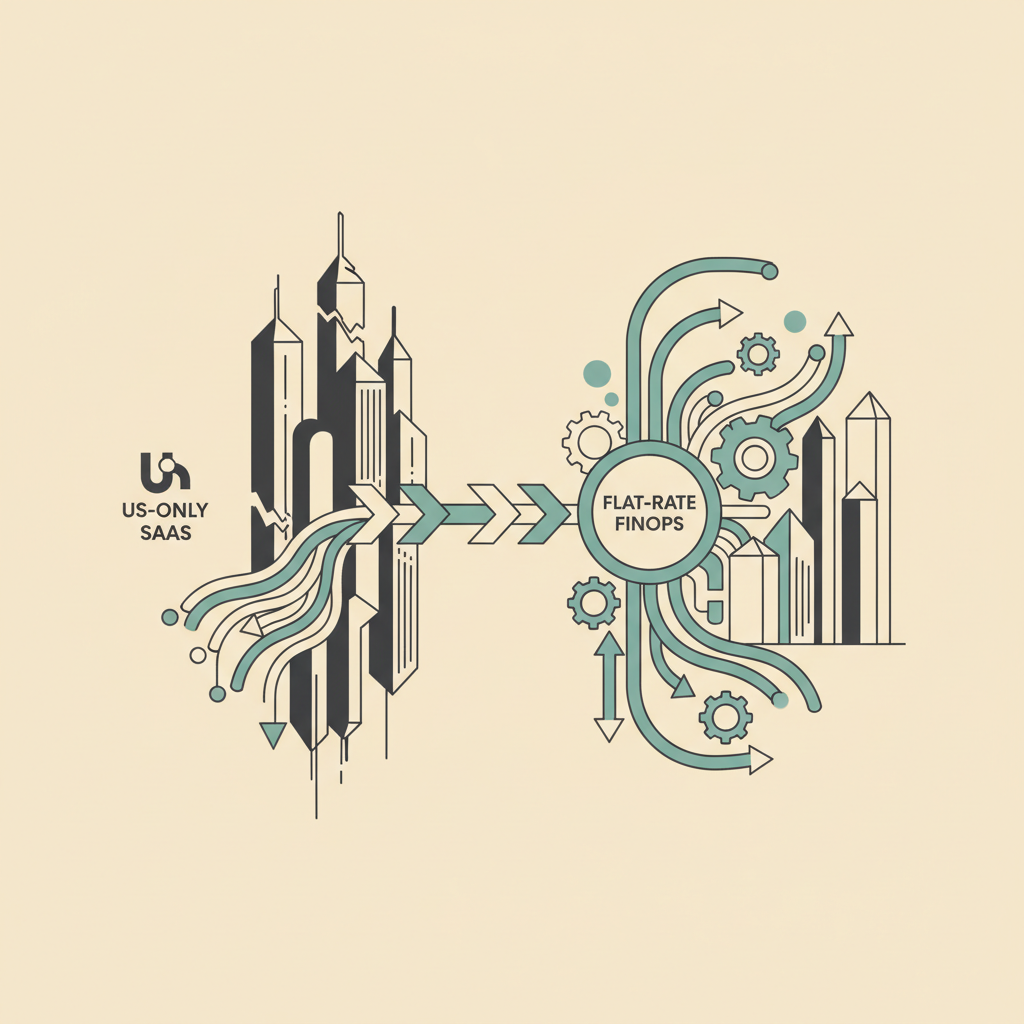
CostGlass vs. CloudZero: The CTO's Architectural & Total Cost of Ownership Evaluation
Compare CostGlass and CloudZero for enterprise multi-cloud FinOps. Evaluate flat pricing, FOCUS 1.0, data residency, and engineer-executed remediation.
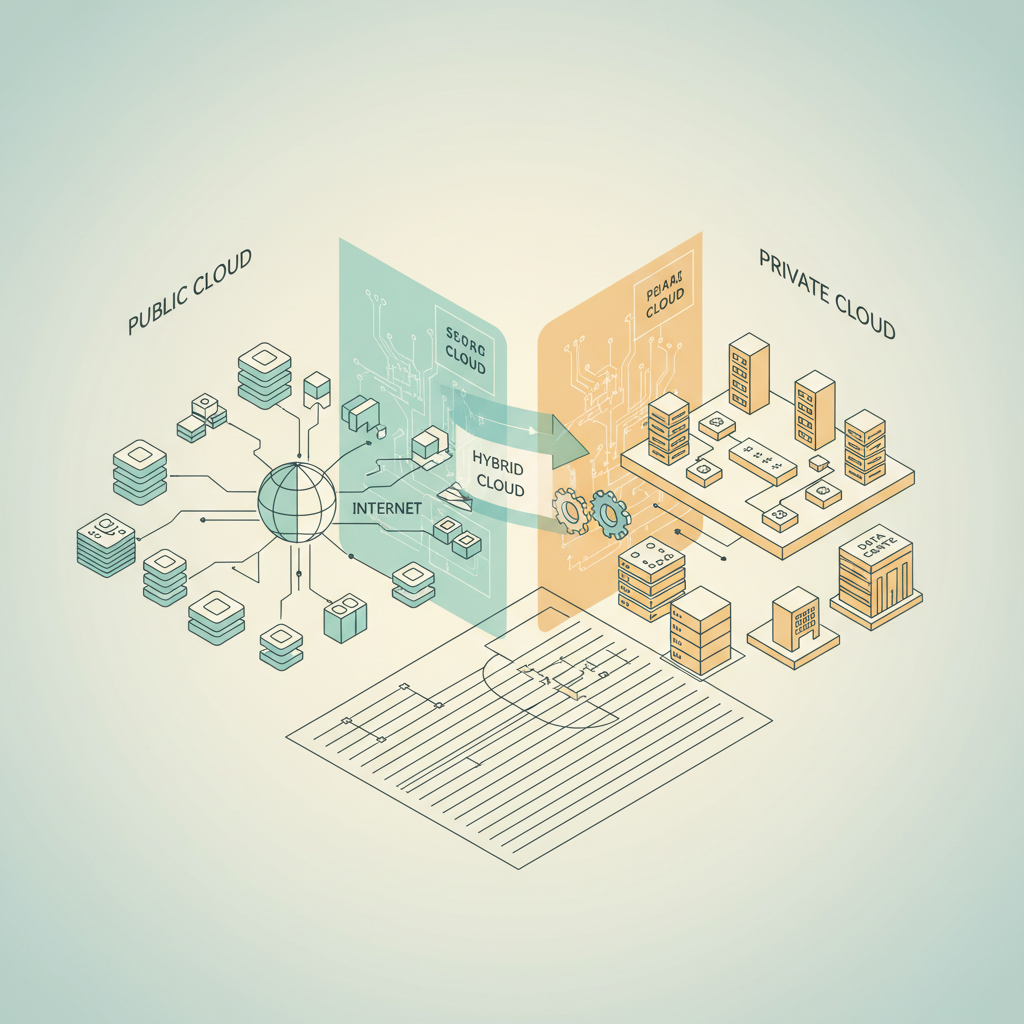
- Canonical cost normalization across AWS, Azure, GCP, Kubernetes, and LLM APIs into FOCUS 1.0 schema.
- Real-time COGS and gross margin attribution mapped directly to engineering teams and customer tenants.
- Flat monthly pricing with engineer-executed savings automation, avoiding vendor lock-in or savings tax penalties.
When evaluating enterprise FinOps platforms, CTOs, CFOs, and VPs of Engineering frequently compare CostGlass and CloudZero to solve cloud cost attribution across multi-cloud and containerized infrastructure. While CloudZero relies on proprietary tagging abstractions and sales-gated annual contracts, CostGlass provides transparent flat-rate pricing, 13 native FinOps Foundation FOCUS 1.0 connectors, sovereign regional data residency, and hands-on DevOps engineers who execute optimization pull requests directly in your infrastructure.
Selecting a cloud cost management platform in 2026 is no longer a cosmetic exercise in dashboard selection. For organizations scaling past $50,000 per month across AWS, Microsoft Azure, Google Cloud, Oracle Cloud Infrastructure (OCI), Kubernetes, and modern AI providers like OpenAI and Anthropic, the platform must deliver three non-negotiables: absolute data sovereignty, standard data schemas, and verifiable remediation that reduces run-rate without consuming internal platform engineering bandwidth.
Here is the detailed architectural, commercial, and operational breakdown comparing CostGlass and CloudZero for technical leadership.
The Commercial Model: Predictable Flat Fees vs. Spend-Linked Contracts
The fundamental friction point for engineering leadership adopting CloudZero is its commercial packaging. CloudZero mandates bespoke, sales-negotiated annual contracts that scale indirectly with total cloud spend. As your infrastructure footprint grows or as new AI inference pipelines expand your monthly invoice, your platform licensing costs climb alongside it—effectively introducing an internal "cloud tax."
CostGlass operates on a transparent, predictable flat monthly pricing model (Free, Starter at $99/mo, Growth at $499/mo, Scale at $1,499/mo, and custom Enterprise). There are zero percentage-of-spend penalties, zero cuts taken from your realized commitment savings, and zero surprise fees for tracking Kubernetes clusters or building unit economics metrics. When your engineering teams optimize infrastructure, your organization retains 100% of every dollar saved.
Furthermore, while legacy platforms require a minimum 12-month commercial commitment before an engineer can test ingestion, CostGlass offers a 14-day self-serve trial with month-to-month rolling billing that can be canceled at any time.
Architectural Normalization: Open FOCUS 1.0 vs. Proprietary Abstractions
Cloud billing records across cloud providers are notoriously heterogeneous. AWS utilizes Cost and Usage Reports (CUR 2.0) parquet exports with nested savings plan negations; Azure emits Enterprise Agreement (EA) and Microsoft Customer Agreement (MCA) Amortized cost files; Google Cloud streams raw usage to BigQuery datasets; and Oracle Cloud Infrastructure outputs tenancy-scoped CSV reports.
CloudZero ingests these disparate feeds into proprietary metadata layers known as CostDimensions. While functional within their UI, this locks your organization into vendor-defined data transformations that cannot be independently audited or exported cleanly into external data warehouses.
In contrast, CostGlass standardizes every ingested record into the FinOps Foundation's FOCUS 1.0 (FinOps Open Cost and Usage Specification) schema every 6 hours across 13 native connectors:
- Hyperscale Cloud: AWS, Azure, Google Cloud, OCI, Alibaba Cloud
- Alternative Cloud: DigitalOcean, Linode/Akamai, Cloudflare
- Container Infrastructure: Kubernetes via lightweight CNCF OpenCost telemetry
- Data & Observability: Snowflake, Datadog
- AI & Foundation Models: OpenAI, Anthropic
-- Standardized FOCUS 1.0 Query executed across CostGlass Normalized Ledger
-- Calculates Net Effective Cost and identifies unblended variance across multi-cloud tenants
SELECT
    ProviderName,
    BillingAccountId,
    ServiceName,
    RegionName,
    ChargeCategory,
    ROUND(SUM(EffectiveCost), 2) AS TotalEffectiveCostUSD,
    ROUND(SUM(BilledCost), 2) AS TotalBilledCostUSD,
    ROUND(SUM(BilledCost - EffectiveCost), 2) AS RealizedDiscountUSD
FROM focus_cost_records
WHERE ChargePeriodStart >= DATE_TRUNC('month', CURRENT_DATE)
  AND ProviderName IN ('AWS', 'Azure', 'Google Cloud', 'Oracle Cloud')
GROUP BY 1, 2, 3, 4, 5
ORDER BY TotalEffectiveCostUSD DESC
LIMIT 20;
Because CostGlass persists billing data natively in FOCUS 1.0, data engineering teams can run standard SQL queries, join cloud spend with proprietary business telemetry, and avoid proprietary vendor lock-in.
Virtual Tagging and Retroactive Allocation Without Infrastructure Drift
Both platforms understand that manual cloud tagging always breaks down. Engineers deploy ad-hoc resources, third-party managed services bypass Terraform policies, and shared platform resources—such as multi-tenant Kubernetes worker pools, transit gateways, and enterprise databases—cannot be cleanly tagged at the cloud provider level.
CloudZero addresses this through its CostFormation syntax, which defines business dimensions via YAML configurations. However, building and validating rules requires understanding their proprietary domain-specific language (DSL).
CostGlass uses Virtual Tagging v2 (VTAG:). Virtual Tags compile nested logic (boolean expressions, regex matching, provider account scoping, and dynamic value extraction) into high-performance, parameterized SQL CASE statements directly over normalized billing tables. This allows finance and platform teams to retroactively allocate 100% of untagged and shared spend across historical months without touching cloud resource metadata or triggering Terraform state drift.
For engineering teams operating at speed, CostGlass includes an integrated AI Virtual Tag Rule Builder that analyzes your live account and service topography, synthesizes dry-run dollar impact previews, and applies rules deterministically.
Engineering Remediation: Execution vs. Dashboard Backlogs
The most significant operational divide between CostGlass and CloudZero is what happens after an inefficiency is identified.
CloudZero operates strictly as a software-only observability tool. When idle Azure Flexible Servers, overprovisioned EKS node groups, or unattached EBS volumes are detected, the platform logs an alert or generates a Jira ticket. In practice, platform engineering backlogs are already saturated with security patches, feature delivery, and uptime requirements. As a result, software-only recommendations sit unaddressed in Jira queues for quarters while cloud waste compounds.
CostGlass bridges the execution gap. On the Scale and Enterprise tiers, CostGlass pairs its multi-cloud FinOps engine with 8+ dedicated senior DevOps and FinOps engineer-hours every month.
CostGlass engineers do not merely email recommendations; they write the Terraform pull requests, update Kubernetes request/limit specifications, configure automated multi-cloud off-hours instance schedules, rightsize overprovisioned RDS databases, and execute approved commitment purchases. This provides CTOs with the operational throughput of a dedicated $180,000/year senior FinOps hire for a fraction of the cost.
Data Residency, Security & Self-Hosted BYOC Deployment
For enterprise CTOs, CISOs, and compliance officers in fintech, healthcare, and defense, cloud financial telemetry contains highly sensitive business intelligence. Billing data reveals product adoption curves, tenant data volumes, and infrastructure architectures.
CloudZero is a US-hosted multi-tenant SaaS. Enterprise customers cannot choose the geographic region where their cost metadata resides, creating friction with European GDPR, UK Data Protection Act, and sovereign cloud mandates.
CostGlass eliminates this security constraint through two enterprise architectural options:
- Sovereign Regional SaaS Cells: At sign-up, organizations select an isolated regional cell to pin their data: United States (
us.costglass.cominus-east-1), United Kingdom (uk.costglass.comineu-west-2), European Union (eu.costglass.comineu-central-1), or Asia-Pacific (sg.costglass.cominap-southeast-1). Each cell maintains isolated Aurora PostgreSQL storage, DynamoDB tables, and identity pools. - Private In-Account AWS Deployment (BYOC): Enterprise clients can deploy CostGlass's serverless infrastructure directly inside their own AWS organization and VPC via Terraform. Zero financial data or metadata ever leaves their internal security boundary.
Feature and TCO Comparison Matrix
The following table outlines the architectural, commercial, and technical differences between CostGlass and CloudZero:
| Capability | CostGlass | CloudZero |
|---|---|---|
| Pricing Model | Transparent flat monthly rate (Free, $99, $499, $1,499/mo; Enterprise custom) | Opaque, spend-linked annual contract quotes |
| Contract Terms | Month-to-month rolling or annual (2 months free); cancel anytime | 12-month minimum enterprise lock-in |
| Free Tier / Trial | Free tier up to £5k/mo spend; 14-day full-feature trial | No self-serve tier; sales-assisted demo required |
| Data Normalization | Native FinOps Foundation FOCUS 1.0 (13 connectors) | Proprietary CostDimensions abstraction |
| Connectors Supported | AWS, Azure, GCP, OCI, Alibaba, DO, Linode, Cloudflare, K8s, AI, Snowflake, Datadog | AWS, Azure, GCP, Datadog, Snowflake, K8s |
| Billing Ingestion Frequency | Every 6 hours with resumable cursor sync | Daily / 12–24 hours depending on cloud provider |
| Hands-On Engineering Execution | Included (8+ hrs/mo senior DevOps/FinOps engineering on Scale) | Software-only; zero hands-on remediation |
| Kubernetes Cost Telemetry | Native CNCF OpenCost exporter (pod, namespace, GPU, CO2e) | In-cluster agent daemonset required |
| LLM / AI Token Tracking | Native OpenAI and Anthropic API token attribution & batch savings | Custom metrics ingestion required |
| AI Assistant Integration | Native MCP server (@costglass/mcp) for Claude & Cursor |
None |
| Data Sovereignty | Sovereign UK, EU, US, APAC regional cells + Private BYOC | US-hosted multi-tenant SaaS only |
Developer Workflow: Automated Multi-Cloud Querying via Model Context Protocol (MCP)
In modern platform organizations, developers optimize infrastructure inside their IDEs and terminal environments rather than logging into disparate SaaS dashboards. CostGlass supports this shift with its first-class Model Context Protocol (MCP) server (@costglass/mcp).
Platform teams can install the CostGlass MCP integration into Claude Desktop, Cursor, Windsurf, or Claude Code. Engineers can query live infrastructure costs, verify active cost anomalies, and inspect Kubernetes namespace spend directly from their development environments:
{
  "mcpServers": {
    "costglass": {
      "command": "npx",
      "args": ["-y", "@costglass/mcp"],
      "env": {
        "COSTGLASS_API_KEY": "cg_live_9f8a7b6c5d4e3f2a1b0c9d8e7f6a5b4c",
        "COSTGLASS_REGION_CELL": "eu-west-2"
      }
    }
  }
}
With this configuration active, an engineer profiling an ECS or GKE service in Cursor can prompt: "What was the 30-day amortized cost trend for our staging database cluster, and are there any rightsizing recommendations available?" The MCP server queries the CostGlass FOCUS 1.0 engine and returns verified, measured cost metrics directly into the editor.
How to Connect Infrastructure and Evaluate CostGlass
Migrating to CostGlass or evaluating it alongside your existing observability tooling takes less than 15 minutes and requires zero long-lived credentials.
Step 1: Deploy Least-Privilege IAM Roles
CostGlass connects to AWS using an IAM Role configured with read-only cost permissions, CUR 2.0 S3 bucket access, and an explicit tenant ExternalId:
{
  "Version": "2012-10-17",
  "Statement": [
    {
      "Sid": "CostGlassReadOnlyCostAccess",
      "Effect": "Allow",
      "Action": [
        "ce:GetCostAndUsage",
        "ce:GetDimensionValues",
        "cur:DescribeReportDefinitions",
        "bcm-data-exports:GetExport",
        "compute-optimizer:GetEC2InstanceRecommendations"
      ],
      "Resource": "*"
    },
    {
      "Sid": "CostGlassCURBucketRead",
      "Effect": "Allow",
      "Action": [
        "s3:GetObject",
        "s3:ListBucket"
      ],
      "Resource": [
        "arn:aws:s3:::production-cur-v2-exports",
        "arn:aws:s3:::production-cur-v2-exports/*"
      ]
    }
  ]
}
Deploy the role using our 1-click CloudFormation template or the pre-built Terraform module documented in our AWS Connection Guide.
Step 2: Establish Cross-Cloud Ingestion
In your CostGlass dashboard, navigate to Settings > Integrations (#settings:integrations) and attach your secondary providers: Azure Billing Profile Reader credentials, GCP BigQuery service accounts, Kubernetes OpenCost endpoints, and your OpenAI/Anthropic organization keys. CostGlass normalizes all records into your primary FOCUS 1.0 ledger within its initial 6-hour sync cycle.
Step 3: Implement Virtual Tag Allocation
Open Virtual Tags (#finops:virtual-tags) to configure your business allocation rules. Create allocation dimensions for Environment, CostCenter, and ProductLine. Verify the generated SQL CASE statement impact using the dry-run calculator before activating the rule across your multi-cloud dataset.
Step 4: Review Your Initial Savings Pipeline
Navigate to Savings & Rightsizing (#finops:savings). CostGlass aggregates measured optimization opportunities across instance rightsizing, idle storage cleanup, commitment portfolio balancing, and off-hours scheduling. On the Scale plan, your dedicated CostGlass DevOps engineer reviews these findings during your initial sprint and begins preparing automated remediation pull requests.
Summary Recommendation for CTOs and VPs of Engineering
If your organization requires a traditional US-only enterprise SaaS contract, is comfortable paying indirect fees that grow with your cloud spend, and has surplus platform engineering capacity to manually execute optimization backlogs, CloudZero remains a recognized legacy option.
However, if your technical leadership prioritizes predictable flat pricing, zero taxes on cloud savings, open FOCUS 1.0 normalization across 13 native connectors, sovereign UK/EU/US/APAC data residency or private BYOC deployment, and hands-on engineers who execute the fixes for you, CostGlass provides the superior technical and commercial architecture for modern multi-cloud engineering teams.
Frequently Asked Questions
Does CostGlass take a percentage cut of my cloud savings or cloud spend?
No. CostGlass charges a flat monthly rate with no percentage-of-spend markups and zero percentage-of-savings fees. You retain 100% of every dollar saved through rightsizing, scheduling, and commitment optimization.
Can CostGlass run entirely within our own AWS account for compliance reasons?
Yes. In addition to our sovereign US, UK, EU, and APAC regional SaaS cells, CostGlass Enterprise can be deployed as a Bring Your Own Cloud (BYOC) installation directly inside your AWS account and VPC using our official Terraform modules. Your billing telemetry never leaves your infrastructure.
How does CostGlass handle Kubernetes pod-level cost allocation compared to CloudZero?
CostGlass integrates directly with the CNCF-backed OpenCost engine deployed in your EKS, AKS, GKE, OKE, or self-hosted clusters. It tracks CPU, memory, GPU, network, and carbon (CO2e) allocation down to individual namespaces, pods, and controllers, normalizing container spend directly into your master FOCUS 1.0 ledger alongside cloud provider services.
To review our full feature matrix against competitor platforms, explore the CostGlass Competitor Comparison Index and see our dedicated CostGlass vs. CloudZero Head-to-Head Guide. To view transparent organization-wide pricing tiers with zero percentage-of-spend markups, visit CostGlass Pricing.
Al evaluar plataformas empresariales de FinOps, los CTO, CFO y VPs de Ingeniería suelen comparar CostGlass y CloudZero para resolver la atribución de costes cloud en infraestructuras multi-cloud y contenedorizadas. Mientras que CloudZero recurre a abstracciones de etiquetado propietarias y contratos anuales sujetos a negociación comercial, CostGlass ofrece precios fijos transparentes, 13 conectores nativos con el estándar FOCUS 1.0 de la FinOps Foundation, residencia regional soberana de los datos e ingenieros de DevOps dedicados que ejecutan pull requests de optimización directamente en su infraestructura.
Elegir una plataforma de gestión de costes cloud en 2026 ya no es un mero ejercicio estético de selección de paneles de control. Para organizaciones que superan los 50.000 dólares mensuales en AWS, Microsoft Azure, Google Cloud, Oracle Cloud Infrastructure (OCI), Kubernetes y proveedores modernos de IA como OpenAI y Anthropic, la plataforma debe cumplir tres requisitos innegociables: soberanía absoluta de los datos, esquemas de datos estandarizados y una remediación verificable que reduzca el run-rate sin consumir el ancho de banda del equipo interno de ingeniería de plataforma.
A continuación se presenta el desglose arquitectónico, comercial y operativo detallado que compara CostGlass y CloudZero para el liderazgo técnico.
El modelo comercial: Tarifas planas predecibles frente a contratos vinculados al gasto
El principal punto de fricción para los líderes de ingeniería que adoptan CloudZero radica en su empaquetado comercial. CloudZero exige contratos anuales a medida, negociados caso a caso, cuyo precio escala indirectamente con el gasto total en la nube. A medida que su infraestructura crece o que los nuevos pipelines de inferencia de IA incrementan su factura mensual, los costes de licencia de la plataforma aumentan al mismo ritmo, introduciendo de facto un «impuesto sobre la nube» interno.
CostGlass opera mediante un modelo de precios mensuales fijos, predecibles y transparentes (Free, Starter a 99 $/mes, Growth a 499 $/mes, Scale a 1,499 $/mes y planes Enterprise personalizados). No se aplican penalizaciones porcentuales sobre el gasto, no se cobra comisión sobre los ahorros obtenidos mediante compromisos y no existen cargos sorpresa por monitorizar clústeres de Kubernetes o calcular métricas de unit economics. Cuando sus equipos de ingeniería optimizan la infraestructura, su organización conserva el 100 % de cada dólar ahorrado.
Además, mientras que las plataformas tradicionales exigen un compromiso comercial mínimo de 12 meses antes de que un ingeniero pueda validar la ingesta de datos, CostGlass ofrece una prueba de 14 días en modalidad autoservicio con facturación mensual continua que puede cancelarse en cualquier momento.
Normalización arquitectónica: Estándar abierto FOCUS 1.0 frente a abstracciones propietarias
Los registros de facturación entre los distintos proveedores cloud son notablemente heterogéneos. AWS genera exportaciones en formato Parquet mediante Cost and Usage Reports (CUR 2.0) con anulaciones anidadas de Savings Plans; Azure emite archivos de costes amortizados para Enterprise Agreement (EA) y Microsoft Customer Agreement (MCA); Google Cloud transmite el uso sin procesar a datasets de BigQuery; y Oracle Cloud Infrastructure exporta informes CSV delimitados por tenancy.
CloudZero ingiere estas fuentes dispares en capas de metadatos propietarias denominadas CostDimensions. Aunque resultan funcionales dentro de su interfaz, esto confina a su organización a transformaciones de datos definidas por el proveedor que no pueden auditarse de forma independiente ni exportarse limpiamente a data warehouses externos.
En contraste, CostGlass estandariza cada registro ingerido bajo el esquema FOCUS 1.0 (FinOps Open Cost and Usage Specification) de la FinOps Foundation cada 6 horas a través de 13 conectores nativos:
- Nubes Hiperescalares: AWS, Azure, Google Cloud, OCI, Alibaba Cloud
- Nubes Alternativas: DigitalOcean, Linode/Akamai, Cloudflare
- Infraestructura de Contenedores: Kubernetes mediante telemetría ligera de CNCF OpenCost
- Datos y Observabilidad: Snowflake, Datadog
- IA y Modelos Fundacionales: OpenAI, Anthropic
-- Standardized FOCUS 1.0 Query executed across CostGlass Normalized Ledger
-- Calculates Net Effective Cost and identifies unblended variance across multi-cloud tenants
SELECT
    ProviderName,
    BillingAccountId,
    ServiceName,
    RegionName,
    ChargeCategory,
    ROUND(SUM(EffectiveCost), 2) AS TotalEffectiveCostUSD,
    ROUND(SUM(BilledCost), 2) AS TotalBilledCostUSD,
    ROUND(SUM(BilledCost - EffectiveCost), 2) AS RealizedDiscountUSD
FROM focus_cost_records
WHERE ChargePeriodStart >= DATE_TRUNC('month', CURRENT_DATE)
  AND ProviderName IN ('AWS', 'Azure', 'Google Cloud', 'Oracle Cloud')
GROUP BY 1, 2, 3, 4, 5
ORDER BY TotalEffectiveCostUSD DESC
LIMIT 20;
Dado que CostGlass persiste los datos de facturación de forma nativa en FOCUS 1.0, los equipos de ingeniería de datos pueden ejecutar consultas SQL estándar, correlacionar el gasto cloud con la telemetría de negocio propietaria y evitar cualquier tipo de dependencia tecnológica respecto al proveedor.
Etiquetado virtual y asignación retroactiva sin deriva en la infraestructura
Ambas plataformas son conscientes de que el etiquetado manual en la nube siempre acaba fallando. Los ingenieros despliegan recursos ad-hoc, los servicios gestionados de terceros eluden las políticas de Terraform y los recursos de plataforma compartidos —como los worker pools multi-tenant de Kubernetes, los transit gateways y las bases de datos empresariales— no pueden etiquetarse de manera limpia en el nivel del proveedor cloud.
CloudZero aborda este problema mediante la sintaxis CostFormation, que define dimensiones de negocio a través de configuraciones YAML. Sin embargo, compilar y validar estas reglas exige dominar su lenguaje específico de dominio (DSL) propietario.
CostGlass utiliza Virtual Tagging v2 (VTAG:). Las etiquetas virtuales compilan lógica anidada (expresiones booleanas, coincidencias mediante expresiones regulares, delimitación por cuenta del proveedor y extracción dinámica de valores) en sentencias SQL CASE parametrizadas de alto rendimiento directamente sobre las tablas de facturación normalizadas. Esto permite a los equipos de finanzas y de plataforma asignar retroactivamente el 100 % del gasto compartido y no etiquetado a lo largo de meses históricos, sin necesidad de modificar los metadatos de los recursos cloud ni provocar derivas en el estado de Terraform.
Para los equipos de ingeniería que requieren agilidad, CostGlass incorpora un generador de reglas de etiquetas virtuales impulsado por IA que analiza la topografía real de sus cuentas y servicios, proyecta vistas previas del impacto económico en modo de simulación y aplica las reglas de manera determinista.
Remediación de ingeniería: Ejecución real frente a acumulación de tareas en paneles
La brecha operativa más determinante entre CostGlass y CloudZero es lo que sucede después de que se identifica una ineficiencia.
CloudZero opera estrictamente como una herramienta de observabilidad basada únicamente en software. Cuando se detectan servidores flexibles de Azure inactivos, grupos de nodos de EKS sobreaprovisionados o volúmenes EBS desconectados, la plataforma registra una alerta o genera un ticket en Jira. En la práctica, el backlog de los equipos de ingeniería de plataforma ya está saturado con parches de seguridad, entrega de nuevas funcionalidades y requisitos de disponibilidad. Como consecuencia, las recomendaciones de solo software permanecen desatendidas en las colas de Jira durante trimestres mientras el desperdicio de gasto cloud se acumula.
CostGlass cierra esta brecha de ejecución. En los planes Scale y Enterprise, CostGlass combina su motor FinOps multi-cloud con más de 8 horas mensuales dedicadas de ingenieros sénior de DevOps y FinOps.
Los ingenieros de CostGlass no se limitan a enviar recomendaciones por correo electrónico; redactan los pull requests de Terraform, actualizan las especificaciones de límites y solicitudes en Kubernetes, configuran programaciones automatizadas de apagado de instancias fuera de horario en múltiples nubes, optimizan bases de datos RDS sobreaprovisionadas y ejecutan las compras de compromisos previamente aprobadas. Esto proporciona a los CTOs la capacidad operativa equivalente a una contratación sénior de FinOps de 180.000 $/año por una fracción de dicho coste.
Residencia de datos, seguridad y despliegue autohospedado BYOC
Para CTOs empresariales, CISOs y responsables de cumplimiento normativo en los sectores fintech, sanitario y de defensa, la telemetría financiera cloud contiene inteligencia empresarial sumamente confidencial. Los datos de facturación revelan curvas de adopción de productos, volúmenes de datos por cliente y arquitecturas de infraestructura.
CloudZero es un SaaS multi-tenant alojado exclusivamente en Estados Unidos. Los clientes empresariales no pueden elegir la región geográfica donde residen sus metadatos de costes, lo que genera fricciones con normativas como el RGPD europeo, la Ley de Protección de Datos del Reino Unido y las directivas de soberanía en la nube.
CostGlass elimina esta restricción de seguridad mediante dos opciones arquitectónicas empresariales:
- Celdas SaaS regionales soberanas: Al registrarse, las organizaciones seleccionan una celda regional aislada para alojar sus datos: Estados Unidos (
us.costglass.comenus-east-1), Reino Unido (uk.costglass.comeneu-west-2), Unión Europea (eu.costglass.comeneu-central-1) o Asia-Pacífico (sg.costglass.comenap-southeast-1). Cada celda mantiene almacenamiento aislado en Aurora PostgreSQL, tablas de DynamoDB y grupos de identidades independientes. - Despliegue privado en su propia cuenta de AWS (BYOC): Los clientes empresariales pueden desplegar la infraestructura serverless de CostGlass directamente dentro de su propia organización y VPC de AWS mediante Terraform. Ningún dato financiero o metadato sale jamás de su perímetro de seguridad interno.
Matriz comparativa de características y TCO
La siguiente tabla describe las diferencias arquitectónicas, comerciales y técnicas entre CostGlass y CloudZero:
| Capacidad | CostGlass | CloudZero |
|---|---|---|
| Modelo de precios | Tarifa plana mensual transparente (Free, 99 $, 499 $, 1,499 $/mes; Enterprise a medida) | Presupuestos anuales opacos y vinculados al gasto |
| Términos contractuales | Mensual continuo o anual (2 meses gratis); cancelación en cualquier momento | Compromiso empresarial mínimo de 12 meses |
| Nivel gratuito / Prueba | Nivel gratuito hasta 5.000 £/mes de gasto; prueba completa de 14 días | Sin nivel de autoservicio; requiere demostración comercial |
| Normalización de datos | Nativa en FOCUS 1.0 de la FinOps Foundation (13 conectores) | Abstracción propietaria CostDimensions |
| Conectores soportados | AWS, Azure, GCP, OCI, Alibaba, DO, Linode, Cloudflare, K8s, IA, Snowflake, Datadog | AWS, Azure, GCP, Datadog, Snowflake, K8s |
| Frecuencia de ingesta | Cada 6 horas con sincronización reanudable por cursor | Diaria / 12–24 horas según el proveedor cloud |
| Ejecución técnica directa | Incluida (+8 h/mes de ingeniería sénior DevOps/FinOps en Scale) | Solo software; cero remediación manual |
| Telemetría de costes K8s | Exportador nativo CNCF OpenCost (pod, namespace, GPU, CO2e) | Requiere DaemonSet con agente dentro del clúster |
| Seguimiento de tokens LLM / IA | Atribución nativa de tokens API en OpenAI y Anthropic y ahorro por batch | Requiere ingesta de métricas personalizadas |
| Integración con asistentes IA | Servidor nativo MCP (@costglass/mcp) para Claude y Cursor |
Ninguna |
| Soberanía de datos | Celdas regionales soberanas en UK, EU, US, APAC + BYOC privado | Solo SaaS multi-tenant alojado en EE. UU. |
Flujo de trabajo para desarrolladores: Consultas multi-cloud automatizadas mediante Model Context Protocol (MCP)
En las organizaciones de plataforma modernas, los desarrolladores optimizan la infraestructura dentro de sus IDEs y terminales en lugar de iniciar sesión en paneles SaaS independientes. CostGlass respalda este enfoque con su servidor oficial de Model Context Protocol (MCP) (@costglass/mcp).
Los equipos de plataforma pueden instalar la integración MCP de CostGlass en Claude Desktop, Cursor, Windsurf o Claude Code. Los ingenieros pueden consultar costes de infraestructura en tiempo real, comprobar anomalías activas e inspeccionar el gasto por namespace de Kubernetes directamente desde sus entornos de desarrollo:
{Bei der Evaluierung von Enterprise-FinOps-Plattformen vergleichen CTOs, CFOs und VPs of Engineering häufig CostGlass und CloudZero, um eine präzise Cloud-Kostenallokation über Multi-Cloud- und containerisierte Infrastrukturen hinweg zu gewährleisten. Während CloudZero auf proprietäre Tagging-Abstraktionen und vertriebsgebundene Jahresverträge setzt, bietet CostGlass transparente Festpreismodelle, 13 native FOCUS 1.0-Konnektoren der FinOps Foundation, souveräne regionale Datenresidenz und erfahrene DevOps-Ingenieure, die Optimierungs-Pull-Requests direkt in Ihrer Infrastruktur umsetzen.
Die Auswahl einer Cloud-Cost-Management-Plattform im Jahr 2026 ist längst keine oberflächliche Entscheidung für optisch ansprechende Dashboards mehr. Für Organisationen, die monatlich mehr als 50.000 US-Dollar über AWS, Microsoft Azure, Google Cloud, Oracle Cloud Infrastructure (OCI), Kubernetes und moderne KI-Anbieter wie OpenAI und Anthropic hinweg skalieren, muss die Plattform drei unabdingbare Kriterien erfüllen: absolute Datensouveränität, standardisierte Datenschemata und verifizierbare Remediation, die die monatliche Run-Rate senkt, ohne interne Platform-Engineering-Kapazitäten zu binden.
Im Folgenden finden Sie den detaillierten architektonischen, kommerziellen und operativen Vergleich zwischen CostGlass und CloudZero für technische Führungskräfte.
Das kommerzielle Modell: Vorhersehbare Pauschalpreise vs. spend-gebundene Verträge
Der wesentliche Reibungspunkt für technische Führungskräfte bei der Einführung von CloudZero liegt im kommerziellen Modell. CloudZero erfordert individuelle, vom Vertrieb verhandelte Jahresverträge, die indirekt mit den gesamten Cloud-Ausgaben skalieren. Wächst Ihr Infrastruktur-Footprint oder erweitern neue KI-Inferenz-Pipelines Ihre monatliche Rechnung, steigen Ihre Plattform-Lizenzkosten parallel dazu an – was de facto einer internen „Cloud-Steuer“ entspricht.
CostGlass basiert auf einem transparenten, vorhersehbaren monatlichen Festpreismodell (Free, Starter für 99 $/Monat, Growth für 499 $/Monat, Scale für 1.499 $/Monat sowie maßgeschneidertes Enterprise). Es gibt keinerlei prozentuale Abzüge von Ihren Ausgaben, keine Beteiligung an Ihren realisierten Commitment-Einsparungen und keine versteckten Zusatzgebühren für das Tracking von Kubernetes-Clustern oder die Erstellung von Unit-Economics-Metriken. Wenn Ihre Engineering-Teams die Infrastruktur optimieren, behält Ihr Unternehmen 100 % jedes eingesparten Dollars.
Während Legacy-Plattformen zudem eine vertragliche Mindestbindung von 12 Monaten verlangen, bevor ein Engineer die Dateningestion überhaupt testen kann, bietet CostGlass eine 14-tägige Self-Service-Testphase mit monatlich kündbarer Abrechnung.
Architektonische Normalisierung: Offener FOCUS 1.0 vs. proprietäre Abstraktionen
Cloud-Abrechnungsdaten verschiedener Provider sind bekanntermaßen heterogen. AWS nutzt Cost and Usage Reports (CUR 2.0) als Parquet-Exporte mit verschachtelten Savings-Plan-Negierungen; Azure liefert Amortized-Cost-Dateien für Enterprise Agreements (EA) und Microsoft Customer Agreements (MCA); Google Cloud streamt Rohverbrauchsdaten in BigQuery-Datasets; und Oracle Cloud Infrastructure gibt CSV-Reports auf Mandantenebene aus.
CloudZero überführt diese uneinheitlichen Feeds in proprietäre Metadatenschichten namens CostDimensions. Dies funktioniert zwar innerhalb der eigenen Benutzeroberfläche, bindet Ihr Unternehmen jedoch an herstellerspezifische Datentransformationen, die sich weder unabhängig auditieren noch sauber in externe Data Warehouses exportieren lassen.
Im Gegensatz dazu standardisiert CostGlass jeden eingelesenen Datensatz alle 6 Stunden über 13 native Konnektoren hinweg in das FOCUS 1.0-Schema (FinOps Open Cost and Usage Specification) der FinOps Foundation:
- Hyperscale Cloud: AWS, Azure, Google Cloud, OCI, Alibaba Cloud
- Alternative Cloud: DigitalOcean, Linode/Akamai, Cloudflare
- Container-Infrastruktur: Kubernetes via leichtgewichtiger CNCF OpenCost-Telemetrie
- Data & Observability: Snowflake, Datadog
- KI- & Foundation-Modelle: OpenAI, Anthropic
-- Standardized FOCUS 1.0 Query executed across CostGlass Normalized Ledger
-- Calculates Net Effective Cost and identifies unblended variance across multi-cloud tenants
SELECT
    ProviderName,
    BillingAccountId,
    ServiceName,
    RegionName,
    ChargeCategory,
    ROUND(SUM(EffectiveCost), 2) AS TotalEffectiveCostUSD,
    ROUND(SUM(BilledCost), 2) AS TotalBilledCostUSD,
    ROUND(SUM(BilledCost - EffectiveCost), 2) AS RealizedDiscountUSD
FROM focus_cost_records
WHERE ChargePeriodStart >= DATE_TRUNC('month', CURRENT_DATE)
  AND ProviderName IN ('AWS', 'Azure', 'Google Cloud', 'Oracle Cloud')
GROUP BY 1, 2, 3, 4, 5
ORDER BY TotalEffectiveCostUSD DESC
LIMIT 20;
Da CostGlass Abrechnungsdaten nativ in FOCUS 1.0 persistiert, können Data-Engineering-Teams standardisierte SQL-Abfragen ausführen, Cloud-Ausgaben mit proprietärer Business-Telemetrie verknüpfen und jeden Vendor-Lock-in vermeiden.
Virtuelles Tagging und rückwirkende Allokation ohne Infrastructure Drift
Beide Plattformen erkennen an, dass manuelles Cloud-Tagging in der Praxis unweigerlich versagt. Engineers stellen Ad-hoc-Ressourcen bereit, gemanagte Drittanbieterdienste umgehen Terraform-Policies, und geteilte Plattformressourcen – wie mandantenfähige Kubernetes-Worker-Pools, Transit Gateways und zentrale Datenbanken – lassen sich auf Cloud-Provider-Ebene nicht trennscharf taggen.
CloudZero begegnet diesem Problem mit seiner CostFormation-Syntax, die Geschäftsdimensionen über YAML-Konfigurationen definiert. Die Erstellung und Validierung dieser Regeln erfordert jedoch das Erlernen einer proprietären Domain-Specific Language (DSL).
CostGlass setzt auf Virtual Tagging v2 (VTAG:). Virtuelle Tags kompilieren verschachtelte Logiken (Boolesche Ausdrücke, Regex-Matching, Provider-Account-Scoping und dynamische Werteextraktion) in hochperformante, parametrisierte SQL-CASE-Statements direkt auf den normalisierten Abrechnungstabellen. Dadurch können Finanz- und Plattformteams 100 % der ungetaggten und geteilten Ausgaben rückwirkend über historische Monate hinweg zuweisen, ohne Cloud-Ressourcenmetadaten zu verändern oder einen Terraform State Drift auszulösen.
Für schnell agierende Engineering-Teams enthält CostGlass einen integrierten AI Virtual Tag Rule Builder, der Ihre Live-Account- und Servicetopologie analysiert, Dry-Run-Vorschauen über die finanziellen Auswirkungen generiert und Regeln deterministisch anwendet.
Technische Umsetzung: Direkte Ausführung vs. Dashboard-Backlogs
Der signifikanteste operative Unterschied zwischen CostGlass und CloudZero zeigt sich in der Phase, nachdem eine Ineffizienz identifiziert wurde.
CloudZero fungiert ausschließlich als reines Software-Observability-Tool. Werden ungenutzte Azure Flexible Server, überdimensionierte EKS-Node-Groups oder verwaiste EBS-Volumes erkannt, generiert die Plattform eine Warnmeldung oder ein Jira-Ticket. In der Realität sind Platform-Engineering-Backlogs jedoch bereits mit Sicherheitspatches, Feature-Releases und Verfügbarkeitsanforderungen ausgelastet. Reine Software-Empfehlungen verbleiben daher oft über Quartale hinweg unberücksichtigt in Jira-Queues, während sich die Cloud-Verschwendung weiter summiert.
CostGlass schließt diese Ausführungslücke. In den Tarifen Scale und Enterprise kombiniert CostGlass seine Multi-Cloud-FinOps-Engine mit mindestens 8 Stunden dedizierter Senior-DevOps- und FinOps-Engineering-Leistung pro Monat.
CostGlass-Ingenieure versenden nicht bloß Empfehlungen per E-Mail: Sie verfassen Terraform-Pull-Requests, optimieren Kubernetes-Request/Limit-Spezifikationen, richten automatisierte Multi-Cloud-Off-Hours-Zeitpläne für Instanzen ein, führen Rightsizing überdimensionierter RDS-Datenbanken durch und setzen genehmigte Commitment-Käufe um. Dies verschafft CTOs den operativen Durchsatz einer dedizierten Senior-FinOps-Fachkraft (im Gegenwert von ca. 180.000 $/Jahr) zu einem Bruchteil der Kosten.
Datenresidenz, Sicherheit & Self-Hosted BYOC-Deployment
Für Enterprise-CTOs, CISOs und Compliance-Beauftragte in FinTech, Healthcare und regulierten Branchen enthalten finanzielle Cloud-Telemetriedaten hochsensible Business Intelligence. Abrechnungsdaten spiegeln Produktnutzungskurven, Mandantendatenvolumina und Infrastrukturarchitekturen wider.
CloudZero ist eine in den USA gehostete Mandanten-SaaS. Enterprise-Kunden können die geografische Region für ihre Kosten-Metadaten nicht frei bestimmen, was Konflikte mit der europäischen DSGVO, dem britischen Data Protection Act und souveränen Cloud-Vorgaben nach sich zieht.
CostGlass beseitigt diese Sicherheitsrestriktion durch zwei Enterprise-Architekturoptionen:
- Souveräne regionale SaaS-Zellen: Bei der Registrierung wählen Unternehmen eine isolierte regionale Zelle zur Datenverankerung: Vereinigte Staaten (
us.costglass.cominus-east-1), Vereinigtes Königreich (uk.costglass.comineu-west-2), Europäische Union (eu.costglass.comineu-central-1) oder Asien-Pazifik (sg.costglass.cominap-southeast-1). Jede Zelle verfügt über vollständig isolierte Aurora-PostgreSQL-Speicher, DynamoDB-Tabellen und Identity Pools. - Privates In-Account-AWS-Deployment (BYOC): Enterprise-Kunden können die serverlose CostGlass-Infrastruktur via Terraform direkt im eigenen AWS-Organisations- und VPC-Umfeld betreiben. Es verlassen zu keinem Zeitpunkt Finanz- oder Metadaten die interne Sicherheitsgrenze.
Feature- und TCO-Vergleichsmatrix
Die folgende Tabelle stellt die architektonischen, kommerziellen und technischen Differenzierungsmerkmale von CostGlass und CloudZero gegenüber:
| Funktion | CostGlass | CloudZero |
|---|---|---|
| Preismodell | Transparenter monatlicher Festpreis (Free, 99 $, 499 $, 1.499 $/Mo; Enterprise individuell) | Intransparente, spend-gebundene Jahresverträge |
| Vertragskonditionen | Monatlich rollierend oder jährlich (2 Monate gratis); jederzeit kündbar | Mindestens 12 Monate Enterprise-Lock-in |
| Free Tier / Testphase | Kostenloser Tarif bis 5.000 £/Mo Spend; 14-tägige Vollfunktions-Testphase | Kein Self-Service; vertriebsgestützte Demo erforderlich |
| Datennormalisierung | Nativer FinOps Foundation FOCUS 1.0 (13 Konnektoren) | Proprietäre CostDimensions-Abstraktion |
| Unterstützte Konnektoren | AWS, Azure, GCP, OCI, Alibaba, DO, Linode, Cloudflare, K8s, AI, Snowflake, Datadog | AWS, Azure, GCP, Datadog, Snowflake, K8s |
| Billing-Ingestion-Frequenz | Alle 6 Stunden mit fortsetzbarem Cursor-Sync | Täglich / alle 12–24 Stunden je nach Provider |
| Direkte Engineering-Ausführung | Inkludiert (ab 8 Std./Mo Senior DevOps/FinOps bei Scale) | Reine Software; keinerlei operative Umsetzung |
| Kubernetes-Kostentelemetrie | Nativer CNCF OpenCost-Exporter (Pod, Namespace, GPU, CO2e) | Erfordert In-Cluster-Agent DaemonSet |
| LLM- / KI-Token-Tracking | Native Token-Allokation für OpenAI & Anthropic inkl. Batch-Einsparungen | Erfordert benutzerdefiniertes Metriken-Ingest |
| KI-Assistenten-Integration | Nativer MCP-Server (@costglass/mcp) für Claude & Cursor |
Keine |
| Datensouveränität | Souveräne UK-, EU-, US-, APAC-Regionalzellen + privates BYOC | Ausschließlich US-gehostete Multi-Tenant-SaaS |
Developer-Workflow: Automatisierte Multi-Cloud-Abfragen via Model Context Protocol (MCP)
In modernen Plattformteams optimieren Entwickler ihre Infrastruktur direkt in IDEs und Terminalumgebungen, anstatt separate SaaS-Dashboards aufzurufen. CostGlass unterstützt diesen Paradigmenwechsel mit einem erstklassigen Model Context Protocol (MCP)-Server (@costglass/mcp).
Plattformteams können die CostGlass-MCP-Integration in Claude Desktop, Cursor, Windsurf oder Claude Code einbinden. So können Engineers Live-Infrastrukturkosten abfragen, aktive Kostenanomalien validieren und Ausgaben für Kubernetes-Namespaces direkt in ihrer Entwicklungsumgebung analysieren:
{
  "mcpServers": {
    "costglass": {
      "command": "npx",
      "args": ["-y", "@costglass/mcp"],
      "env": {
        "COSTGLASS_API_KEY": "cg_live_9f8a7b6c5d4e3f2a1b0c9d8e7f6a5b4c",
        "COSTGLASS_REGION_CELL": "eu-west-2"
      }
    }
  }
}
Ist diese Konfiguration aktiv, kann ein Entwickler bei der Profilierung eines ECS- oder GKE-Services in Cursor beispielsweise anfragen: „Wie verlief der 30-tägige amortisierte Kostentrend für unseren Staging-Datenbankcluster und gibt es Rightsizing-Empfehlungen?“ Der MCP-Server fragt die FOCUS 1.0-Engine von CostGlass ab und liefert verifizierte, gemessene Kostenmetriken direkt in den Code-Editor.
Infrastruktur anbinden und CostGlass testen
Die Migration zu CostGlass oder ein paralleler Test neben bestehenden Observability-Tools ist in unter 15 Minuten abgeschlossen und erfordert keine langlebigen Credentials.
Schritt 1: Least-Privilege IAM-Rollen bereitstellen
CostGlass verbindet sich mit AWS über eine IAM-Rolle, die mit Lesezugriff auf Kostendaten, CUR 2.0 S3-Bucket-Berechtigungen und einer expliziten Mandanten-ExternalId konfiguriert ist:
{
  "Version": "2012-10-17",
  "Statement": [
    {
      "Sid": "CostGlassReadOnlyCostAccess",
      "Effect": "Allow",
      "Action": [
        "ce:GetCostAndUsage",
        "ce:GetDimensionValues",
        "cur:DescribeReportDefinitions",
        "bcm-data-exports:GetExport",
        "compute-optimizer:GetEC2InstanceRecommendations"
      ],
      "Resource": "*"
    },
    {
      "Sid": "CostGlassCURBucketRead",
      "Effect": "Allow",
      "Action": [
        "s3:GetObject",
        "s3:ListBucket"
      ],
      "Resource": [
        "arn:aws:s3:::production-cur-v2-exports",
        "arn:aws:s3:::production-cur-v2-exports/*"
      ]
    }
  ]
}
Stellen Sie die Rolle über unser 1-Klick-CloudFormation-Template oder das vorgefertigte Terraform-Modul bereit, wie in unserem AWS-Anbindungsleitfaden beschrieben.
Schritt 2: Multi-Cloud-Ingestion einrichten
Navigieren Sie im CostGlass-Dashboard zu Einstellungen > Integrationen (#settings:integrations) und verknüpfen Sie Ihre weiteren Provider: Azure Billing Profile Reader Credentials, GCP BigQuery Service-Accounts, Kubernetes OpenCost Endpoints sowie Ihre OpenAI- und Anthropic-Organisationsschlüssel. CostGlass standardisiert sämtliche Datensätze innerhalb des ersten 6-Stunden-Synchronisationszyklus in Ihrem primären FOCUS 1.0-Ledger.
Schritt 3: Virtuelle Tag-Allokation implementieren
Öffnen Sie Virtuelle Tags (#finops:virtual-tags), um Ihre unternehmensweiten Verteilungsregeln zu definieren. Erstellen Sie Allokationsdimensionen für Environment, CostCenter und ProductLine. Überprüfen Sie die Auswirkungen der generierten SQL-CASE-Statements vor der Aktivierung im Multi-Cloud-Dataset mithilfe des Dry-Run-Rechners.
Schritt 4: Erste Einsparpotenziale analysieren
Wechseln Sie zu Einsparungen & Rightsizing (#finops:savings). CostGlass aggregiert gemessene Optimierungspotenziale aus Instanz-Rightsizing, Bereinigung ungenutzter Speicher, Rebalancierung von Commitment-Portfolios und Off-Hours-Scheduling. Im Scale-Tarif prüft Ihr persönlicher CostGlass DevOps Engineer diese Ergebnisse bereits während Ihres ersten Sprints und bereitet automatisierte Pull-Requests zur Behebung vor.
Fazit und Empfehlung für CTOs und VPs of Engineering
Sollte Ihr Unternehmen einen klassischen, rein US-gehosteten Enterprise-SaaS-Vertrag bevorzugen, bereit sein, indirekte Gebühren zu zahlen, die proportional zu Ihren Cloud-Kosten wachsen, und über freie Platform-Engineering-Kapazitäten verfügen, um Optimierungs-Backlogs manuell abzuarbeiten, bleibt CloudZero eine etablierte Legacy-Option.
Wenn Ihre technische Führung jedoch Wert auf vorhersehbare Pauschalpreise, null Abzüge von Ihren Cloud-Einsparungen, offene FOCUS 1.0-Normalisierung über 13 native Konnektoren, souveräne UK/EU/US/APAC-Datenresidenz bzw. private BYOC-Deployments und erfahrene Engineers legt, die Optimierungen direkt für Sie umsetzen, bietet CostGlass die überlegene technische und wirtschaftliche Architektur für moderne Multi-Cloud-Engineering-Teams.
Häufig gestellte Fragen (FAQ)
Behält CostGlass einen prozentualen Anteil meiner Cloud-Einsparungen oder Cloud-Ausgaben ein?
Nein. CostGlass basiert auf einer festen monatlichen Pauschale ohne prozentuale Aufschläge auf Ihre Cloud-Ausgaben und ohne prozentuale Beteiligung an realisierten Einsparungen. Sie behalten 100 % jedes Dollars, den Sie durch Rightsizing, Scheduling und Commitment-Optimierungen einsparen.
Kann CostGlass aus Compliance-Gründen vollständig in unserem eigenen AWS-Konto betrieben werden?
Ja. Neben unseren souveränen regionalen SaaS-Zellen in den USA, UK, der EU und APAC kann CostGlass Enterprise als Bring Your Own Cloud (BYOC)-Installation über unsere offiziellen Terraform-Module direkt in Ihrem AWS-Konto und Ihrer VPC betrieben werden. Ihre Abrechnungs- und Telemetriedaten verlassen Ihre Infrastruktur zu keinem Zeitpunkt.
Wie erfolgt die Kostenallokation auf Kubernetes-Pod-Ebene im Vergleich zu CloudZero?
CostGlass integriert sich direkt mit der CNCF-gestützten OpenCost-Engine in Ihren EKS-, AKS-, GKE-, OKE- oder Self-Hosted-Clustern. Es erfasst CPU-, Speicher-, GPU-, Netzwerk- und CO2e-Zuweisungen bis hinunter auf Namespace-, Pod- und Controller-Ebene und normalisiert diese Container-Ausgaben zusammen mit Ihren Cloud-Provider-Services direkt in Ihrem zentralen FOCUS 1.0-Ledger.
Einen vollständigen Funktionsvergleich mit weiteren Mitbewerberplattformen finden Sie im CostGlass Wettbewerbsvergleich sowie in unserer detaillierten Gegenüberstellung CostGlass vs. CloudZero Direktvergleich. Transparente Tarife für Ihr gesamtes Unternehmen ohne prozentuale Aufschläge finden Sie unter CostGlass Preise.
Lorsqu'il s'agit d'évaluer des plateformes FinOps d'entreprise, les CTO, CFO et VP of Engineering comparent fréquemment CostGlass et CloudZero pour résoudre l'attribution des coûts cloud sur des infrastructures multi-cloud et conteneurisées. Alors que CloudZero repose sur des abstractions de balisage (tagging) propriétaires et des contrats annuels négociés avec les ventes, CostGlass propose une tarification forfaitaire transparente, 13 connecteurs natifs FinOps Foundation FOCUS 1.0, une résidence régionale souveraine des données et des ingénieurs DevOps dédiés qui exécutent directement des pull requests d'optimisation sur votre infrastructure.
En 2026, choisir une plateforme de gestion des coûts cloud n'est plus un simple exercice cosmétique de sélection de tableaux de bord. Pour les organisations dont la facture dépasse 50 000 $ par mois sur AWS, Microsoft Azure, Google Cloud, Oracle Cloud Infrastructure (OCI), Kubernetes et les fournisseurs d'IA modernes tels qu'OpenAI et Anthropic, la plateforme doit impérativement respecter trois critères non négociables : une souveraineté absolue des données, des schémas de données standardisés et une remédiation vérifiable qui réduit le train de dépenses (run-rate) sans monopoliser la bande passante de l'ingénierie de plateforme interne.
Voici l'analyse architecturale, commerciale et opérationnelle détaillée comparant CostGlass et CloudZero pour le leadership technique.
Le modèle commercial : forfaits fixes prévisibles vs contrats indexés sur les dépenses
Le point de friction fondamental pour les responsables de l'ingénierie adoptant CloudZero réside dans son modèle commercial. CloudZero impose des contrats annuels sur mesure, négociés commercialement, qui évoluent indirectement avec la dépense cloud globale. À mesure que votre empreinte d'infrastructure grandit ou que de nouveaux pipelines d'inférence IA augmentent votre facture mensuelle, les coûts de licence de la plateforme grimpent en parallèle — introduisant de fait une « taxe cloud » interne.
CostGlass fonctionne selon un modèle de tarification mensuelle forfaitaire, transparent et prévisible (Gratuit, Starter à 99 $/mois, Growth à 499 $/mois, Scale à 1 499 $/mois, et Enterprise personnalisé). Il n'y a aucune pénalité proportionnelle aux dépenses, aucune commission prélevée sur vos économies d'engagements réalisées, et aucun frais imprévu pour suivre vos clusters Kubernetes ou construire des métriques d'unit economics. Lorsque vos équipes d'ingénierie optimisent l'infrastructure, votre organisation conserve 100 % de chaque dollar économisé.
De plus, alors que les plateformes héritées exigent un engagement commercial minimum de 12 mois avant même qu'un ingénieur ne puisse tester l'ingestion, CostGlass propose un essai libre-service de 14 jours sans engagement, résiliable à tout moment.
Normalisation architecturale : FOCUS 1.0 ouvert vs abstractions propriétaires
Les enregistrements de facturation cloud à travers les différents fournisseurs sont notoirement hétérogènes. AWS utilise les exports parquet Cost and Usage Reports (CUR 2.0) avec des déductions imbriquées de Savings Plans ; Azure émet des fichiers de coûts amortis Enterprise Agreement (EA) et Microsoft Customer Agreement (MCA) ; Google Cloud diffuse les données brutes d'utilisation dans des jeux de données BigQuery ; et Oracle Cloud Infrastructure génère des rapports CSV délimités par tenancy.
CloudZero ingère ces flux disparates dans des couches de métadonnées propriétaires appelées CostDimensions. Bien que fonctionnel dans leur interface utilisateur, ce système enferme votre organisation dans des transformations de données définies par le fournisseur qui ne peuvent être ni auditées de manière indépendante, ni exportées proprement vers des data warehouses externes.
À l'inverse, CostGlass normalise chaque enregistrement ingéré selon le schéma FOCUS 1.0 (FinOps Open Cost and Usage Specification) de la FinOps Foundation toutes les 6 heures sur 13 connecteurs natifs :
- Cloud Hyperscale : AWS, Azure, Google Cloud, OCI, Alibaba Cloud
- Cloud Alternatif : DigitalOcean, Linode/Akamai, Cloudflare
- Infrastructure de conteneurs : Kubernetes via la télémétrie légère CNCF OpenCost
- Données & Observabilité : Snowflake, Datadog
- IA & Modèles de fondation : OpenAI, Anthropic
-- Standardized FOCUS 1.0 Query executed across CostGlass Normalized Ledger
-- Calculates Net Effective Cost and identifies unblended variance across multi-cloud tenants
SELECT
    ProviderName,
    BillingAccountId,
    ServiceName,
    RegionName,
    ChargeCategory,
    ROUND(SUM(EffectiveCost), 2) AS TotalEffectiveCostUSD,
    ROUND(SUM(BilledCost), 2) AS TotalBilledCostUSD,
    ROUND(SUM(BilledCost - EffectiveCost), 2) AS RealizedDiscountUSD
FROM focus_cost_records
WHERE ChargePeriodStart >= DATE_TRUNC('month', CURRENT_DATE)
  AND ProviderName IN ('AWS', 'Azure', 'Google Cloud', 'Oracle Cloud')
GROUP BY 1, 2, 3, 4, 5
ORDER BY TotalEffectiveCostUSD DESC
LIMIT 20;
Parce que CostGlass conserve nativement les données de facturation au format FOCUS 1.0, les équipes d'ingénierie des données peuvent exécuter des requêtes SQL standards, croiser les dépenses cloud avec la télémétrie métier interne et éviter tout enfermement propriétaire (vendor lock-in).
Tagging virtuel et allocation rétroactive sans dérive d'infrastructure
Les deux plateformes s'accordent sur un point : le balisage (tagging) cloud manuel finit toujours par échouer. Les ingénieurs déploient des ressources ad hoc, les services gérés tiers contournent les politiques Terraform, et les ressources de plateforme partagées — telles que les pools de workers Kubernetes multi-tenants, les transit gateways et les bases de données d'entreprise — ne peuvent pas être balisées proprement au niveau du fournisseur cloud.
CloudZero répond à ce défi par sa syntaxe CostFormation, qui définit les dimensions métier via des configurations YAML. Cependant, créer et valider ces règles nécessite l'apprentissage de leur langage dédié propriétaire (DSL).
CostGlass utilise le Tagging Virtuel v2 (VTAG:). Les tags virtuels compilent une logique imbriquée (expressions booléennes, correspondances regex, ciblage de comptes fournisseurs et extraction dynamique de valeurs) en instructions SQL CASE paramétrées à haute performance, directement sur les tables de facturation normalisées. Cela permet aux équipes finance et plateforme d'allouer rétroactivement 100 % des dépenses non balisées et partagées sur les mois passés, sans modifier les métadonnées des ressources cloud ni provoquer de dérive d'état (state drift) dans Terraform.
Pour les équipes d'ingénierie qui avancent rapidement, CostGlass intègre un générateur de règles de tags virtuels par IA qui analyse la topographie en direct de vos comptes et services, synthétise des aperçus d'impact financier à blanc (dry-run) et applique les règles de manière déterministe.
Remédiation technique : exécution concrète vs backlogs de dashboards
La ligne de démarcation opérationnelle la plus significative entre CostGlass et CloudZero intervient après l'identification d'une inefficacité.
CloudZero fonctionne strictement comme un outil d'observabilité purement logiciel. Lorsque des serveurs Azure Flexible Servers inactifs, des node groups EKS surdimensionnés ou des volumes EBS orphelins sont détectés, la plateforme consigne une alerte ou génère un ticket Jira. En pratique, les backlogs de platform engineering sont déjà saturés par les correctifs de sécurité, la livraison de fonctionnalités et les exigences de haute disponibilité. Résultat : les recommandations purement logicielles restent en attente dans les files Jira pendant des trimestres entiers tandis que le gaspillage cloud s'accumule.
CostGlass comble ce fossé d'exécution. Sur les forfaits Scale et Enterprise, CostGlass associe son moteur FinOps multi-cloud à plus de 8 heures par mois d'ingénieurs seniors DevOps et FinOps dédiés.
Les ingénieurs CostGlass ne se contentent pas d'envoyer des recommandations par e-mail : ils rédigent les pull requests Terraform, mettent à jour les spécifications de requests/limits Kubernetes, configurent la planification automatisée multi-cloud d'extinction des instances hors heures ouvrées, redimensionnent les bases de données RDS surprovisionnées et exécutent les achats d'engagements validés. Cela offre aux CTO la capacité opérationnelle d'un recrutement FinOps senior à 180 000 $/an, pour une fraction du coût.
Résidence des données, sécurité et déploiement privé BYOC
Pour les CTO, CISO et responsables de la conformité dans la fintech, la santé et la défense, la télémétrie financière du cloud recèle des informations stratégiques hautement confidentielles. Les données de facturation révèlent les courbes d'adoption des produits, les volumes de données des clients et l'architecture des infrastructures.
CloudZero est un SaaS multi-tenant hébergé exclusivement aux États-Unis. Les clients entreprise ne peuvent pas choisir la région géographique où résident leurs métadonnées de coûts, ce qui crée des frictions avec le RGPD européen, le Data Protection Act britannique et les exigences de cloud souverain.
CostGlass élimine cette contrainte de sécurité grâce à deux options architecturales pour les entreprises :
- Cellules SaaS régionales souveraines : Dès l'inscription, les organisations sélectionnent une cellule régionale isolée pour ancrer leurs données : États-Unis (
us.costglass.comdansus-east-1), Royaume-Uni (uk.costglass.comdanseu-west-2), Union européenne (eu.costglass.comdanseu-central-1) ou Asie-Pacifique (sg.costglass.comdansap-southeast-1). Chaque cellule maintient un stockage Aurora PostgreSQL, des tables DynamoDB et des pools d'identités totalement cloisonnés. - Déploiement privé dans votre compte AWS (BYOC) : Les entreprises clientes peuvent déployer l'infrastructure serverless de CostGlass directement au sein de leur propre organisation AWS et de leur propre VPC via Terraform. Aucune donnée financière ni métadonnée ne quitte jamais leur périmètre de sécurité interne.
Matrice comparative des fonctionnalités et du TCO
Le tableau suivant résume les différences architecturales, commerciales et techniques entre CostGlass et CloudZero :
| Fonctionnalité | CostGlass | CloudZero |
|---|---|---|
| Modèle tarifaire | Forfait mensuel fixe et transparent (Gratuit, 99 $, 499 $, 1 499 $/mois ; Enterprise sur mesure) | Devis annuels opaques, indexés sur le volume de dépenses |
| Conditions contractuelles | Mensuel sans engagement ou annuel (2 mois offerts) ; résiliation libre | Engagement ferme minimum de 12 mois |
| Niveau gratuit / Essai | Forfait gratuit jusqu'à 5 k£/mois de dépenses ; essai complet de 14 jours | Aucun niveau libre-service ; démo commerciale obligatoire |
| Normalisation des données | Schéma natif FinOps Foundation FOCUS 1.0 (13 connecteurs) | Abstraction propriétaire CostDimensions |
| Connecteurs pris en charge | AWS, Azure, GCP, OCI, Alibaba, DO, Linode, Cloudflare, K8s, AI, Snowflake, Datadog | AWS, Azure, GCP, Datadog, Snowflake, K8s |
| Fréquence d'ingestion de la facturation | Toutes les 6 heures avec synchronisation par curseur reprenable | Quotidienne / 12 à 24 heures selon le fournisseur cloud |
| Exécution technique concrète | Inclus (+8 h/mois d'ingénierie senior DevOps/FinOps sur Scale) | Logiciel seul ; aucune remédiation concrète |
| Télémétrie des coûts Kubernetes | Exportateur natif CNCF OpenCost (pod, namespace, GPU, CO2e) | Daemonset agent requis dans chaque cluster |
| Suivi des tokens LLM / IA | Attribution native des tokens API OpenAI et Anthropic et économies batch | Ingestion de métriques personnalisées requise |
| Intégration d'assistants IA | Serveur natif MCP (@costglass/mcp) pour Claude et Cursor |
Aucune |
| Souveraineté des données | Cellules régionales souveraines UK, UE, US, APAC + BYOC privé | SaaS multi-tenant hébergé aux États-Unis uniquement |
Workflow développeur : requêtes multi-cloud automatisées via le Model Context Protocol (MCP)
Dans les organisations modernes de plateforme, les développeurs optimisent l'infrastructure directement depuis leurs IDE et terminaux plutôt que de se connecter à de multiples dashboards SaaS. CostGlass accompagne cette évolution grâce à son serveur Model Context Protocol (MCP) de premier ordre (@costglass/mcp).
Les équipes plateforme peuvent installer l'intégration CostGlass MCP dans Claude Desktop, Cursor, Windsurf ou Claude Code. Les ingénieurs peuvent ainsi interroger les coûts d'infrastructure en temps réel, vérifier les anomalies de coûts actives et inspecter les dépenses par namespace Kubernetes directement depuis leur environnement de développement :
{
  "mcpServers": {
    "costglass": {
      "command": "npx",
      "args": ["-y", "@costglass/mcp"],
      "env": {
        "COSTGLASS_API_KEY": "cg_live_9f8a7b6c5d4e3f2a1b0c9d8e7f6a5b4c",
        "COSTGLASS_REGION_CELL": "eu-west-2"
      }
    }
  }
}
Avec cette configuration active, un ingénieur analysant un service ECS ou GKE dans Cursor peut simplement demander : « Quelle a été la tendance du coût amorti sur 30 jours pour notre cluster de base de données de staging, et y a-t-il des recommandations de redimensionnement disponibles ? » Le serveur MCP interroge le moteur FOCUS 1.0 de CostGlass et renvoie des métriques de coûts précises et mesurées directement dans l'éditeur.
Comment connecter votre infrastructure et évaluer CostGlass
Migrer vers CostGlass ou l'évaluer en parallèle de vos outils d'observabilité existants prend moins de 15 minutes et ne requiert aucun identifiant à longue durée de vie.
Étape 1 : Déployer des rôles IAM avec le principe du moindre privilège
CostGlass se connecte à AWS à l'aide d'un rôle IAM configuré avec des autorisations de coût en lecture seule, un accès au bucket S3 du CUR 2.0 et un ExternalId de tenant explicite :
{
  "Version": "2012-10-17",
  "Statement": [
    {
      "Sid": "CostGlassReadOnlyCostAccess",
      "Effect": "Allow",
      "Action": [
        "ce:GetCostAndUsage",
        "ce:GetDimensionValues",
        "cur:DescribeReportDefinitions",
        "bcm-data-exports:GetExport",
        "compute-optimizer:GetEC2InstanceRecommendations"
      ],
      "Resource": "*"
    },
    {
      "Sid": "CostGlassCURBucketRead",
      "Effect": "Allow",
      "Action": [
        "s3:GetObject",
        "s3:ListBucket"
      ],
      "Resource": [
        "arn:aws:s3:::production-cur-v2-exports",
        "arn:aws:s3:::production-cur-v2-exports/*"
      ]
    }
  ]
}
Déployez ce rôle à l'aide de notre template CloudFormation en 1 clic ou du module Terraform préconfiguré documenté dans notre Guide de connexion AWS.
Étape 2 : Configurer l'ingestion multi-cloud
Dans votre tableau de bord CostGlass, accédez à Paramètres > Intégrations (#settings:integrations) et connectez vos fournisseurs secondaires : identifiants Azure Billing Profile Reader, comptes de service GCP BigQuery, endpoints Kubernetes OpenCost et vos clés d'organisation OpenAI/Anthropic. CostGlass normalise l'ensemble des enregistrements dans votre registre principal FOCUS 1.0 dès son premier cycle de synchronisation de 6 heures.
Étape 3 : Mettre en place l'allocation par tags virtuels
Ouvrez les Tags Virtuels (#finops:virtual-tags) pour configurer vos règles d'allocation métier. Définissez des dimensions d'allocation pour Environment, CostCenter et ProductLine. Vérifiez l'impact de l'instruction SQL CASE générée à l'aide du simulateur à blanc (dry-run) avant d'activer la règle sur l'ensemble de votre jeu de données multi-cloud.
Étape 4 : Analyser votre pipeline d'économies initiales
Accédez à Économies & Redimensionnement (#finops:savings). CostGlass regroupe les opportunités d'optimisation mesurées à travers le redimensionnement d'instances, le nettoyage du stockage inactif, l'équilibrage du portefeuille d'engagements et la planification hors heures ouvrées. Avec le forfait Scale, votre ingénieur DevOps dédié CostGlass analyse ces constats lors de votre premier sprint et commence à préparer des pull requests de remédiation automatisées.
Synthèse des recommandations pour les CTO et VP of Engineering
Si votre organisation requiert un contrat SaaS d'entreprise traditionnel basé exclusivement aux États-Unis, accepte de payer des frais indirects qui augmentent au rythme de vos dépenses cloud, et dispose d'une capacité d'ingénierie de plateforme excédentaire pour traiter manuellement les backlogs d'optimisation, CloudZero reste une option reconnue du marché.
En revanche, si votre direction technique privilégie une tarification forfaitaire prévisible, l'absence de prélèvement sur les économies réalisées, la normalisation ouverte FOCUS 1.0 sur 13 connecteurs natifs, une résidence des données souveraine au Royaume-Uni, dans l'UE, aux États-Unis, en APAC ou un déploiement privé BYOC, ainsi que des ingénieurs dédiés qui exécutent concrètement les correctifs pour vous, CostGlass offre l'architecture technique et commerciale la plus performante pour les équipes d'ingénierie multi-cloud modernes.
Foire aux questions
CostGlass prélève-t-il un pourcentage sur mes économies ou mes dépenses cloud ?
Non. CostGlass applique un tarif mensuel fixe sans majoration sur vos dépenses cloud et sans commission sur les économies réalisées. Vous conservez 100 % de chaque dollar économisé grâce au redimensionnement, à la planification et à l'optimisation des engagements.
CostGlass peut-il être exécuté entièrement au sein de notre propre compte AWS pour des raisons de conformité ?
Oui. En complément de nos cellules SaaS régionales souveraines aux États-Unis, au Royaume-Uni, dans l'UE et en APAC, CostGlass Enterprise peut être déployé en mode Bring Your Own Cloud (BYOC) directement dans votre compte AWS et votre VPC à l'aide de nos modules Terraform officiels. Vos métadonnées et données de facturation ne quittent jamais votre infrastructure.
Comment CostGlass gère-t-il l'allocation des coûts Kubernetes au niveau des pods par rapport à CloudZero ?
CostGlass s'intègre directement avec le moteur OpenCost soutenu par la CNCF, déployé dans vos clusters EKS, AKS, GKE, OKE ou auto-hébergés. Il suit l'allocation CPU, mémoire, GPU, réseau et carbone (CO2e) jusqu'aux namespaces, pods et contrôleurs individuels, en normalisant les dépenses de conteneurs directement dans votre grand livre FOCUS 1.0 aux côtés des services cloud traditionnels.
Pour consulter notre matrice complète de fonctionnalités face aux plateformes concurrentes, explorez l'Index comparatif des concurrents de CostGlass et découvrez notre Guide comparatif direct CostGlass vs CloudZero. Pour découvrir nos forfaits transparents à l'échelle de l'entreprise sans surcoût indexé sur vos dépenses, consultez les Tarifs CostGlass.
Ready to unify your multi-cloud costs?
See your AWS, Azure, GCP, and Kubernetes spend in canonical FOCUS 1.0 in under 15 minutes.